The rooms of the palace
SEEN FROM WITHIN

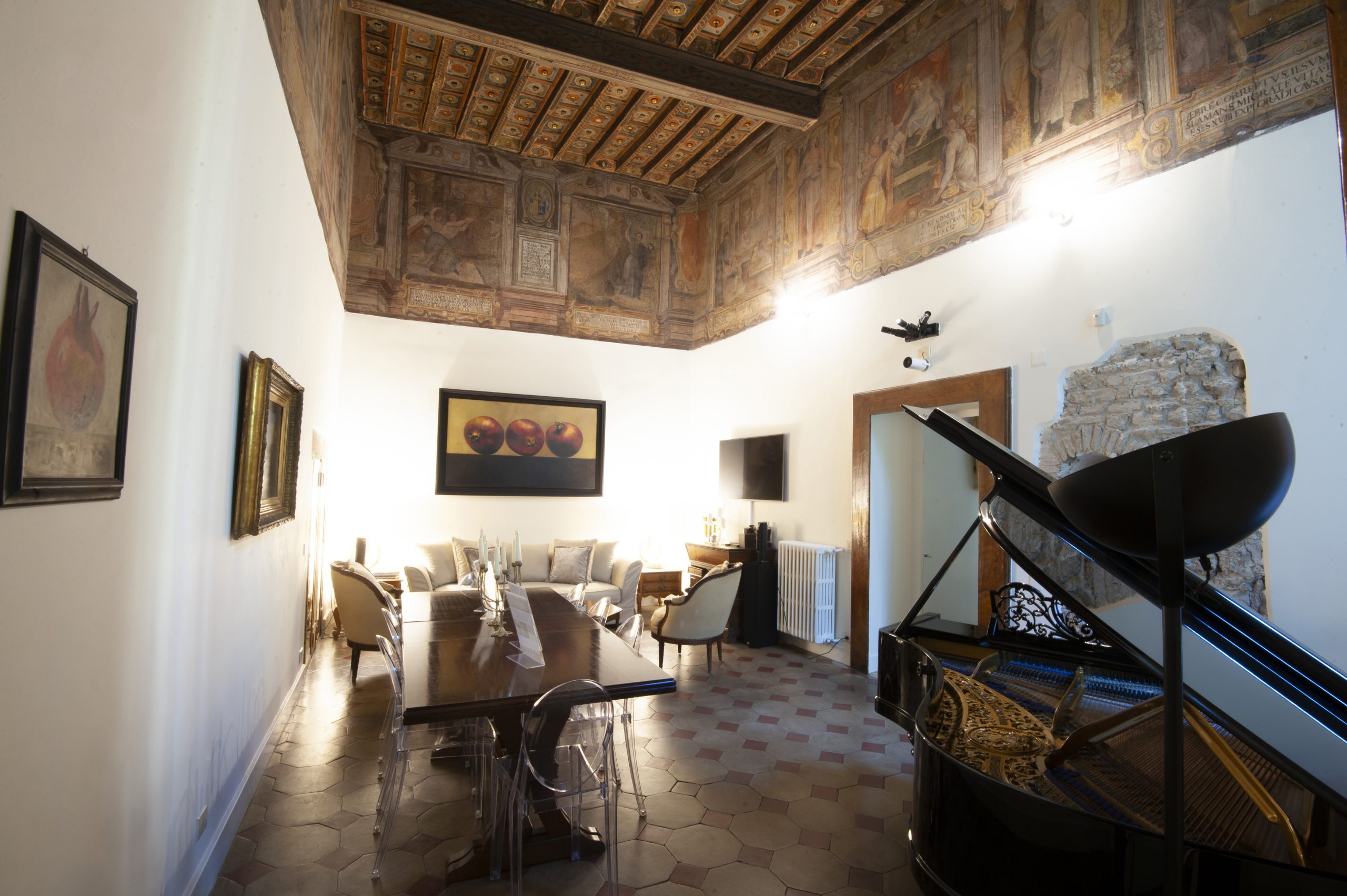
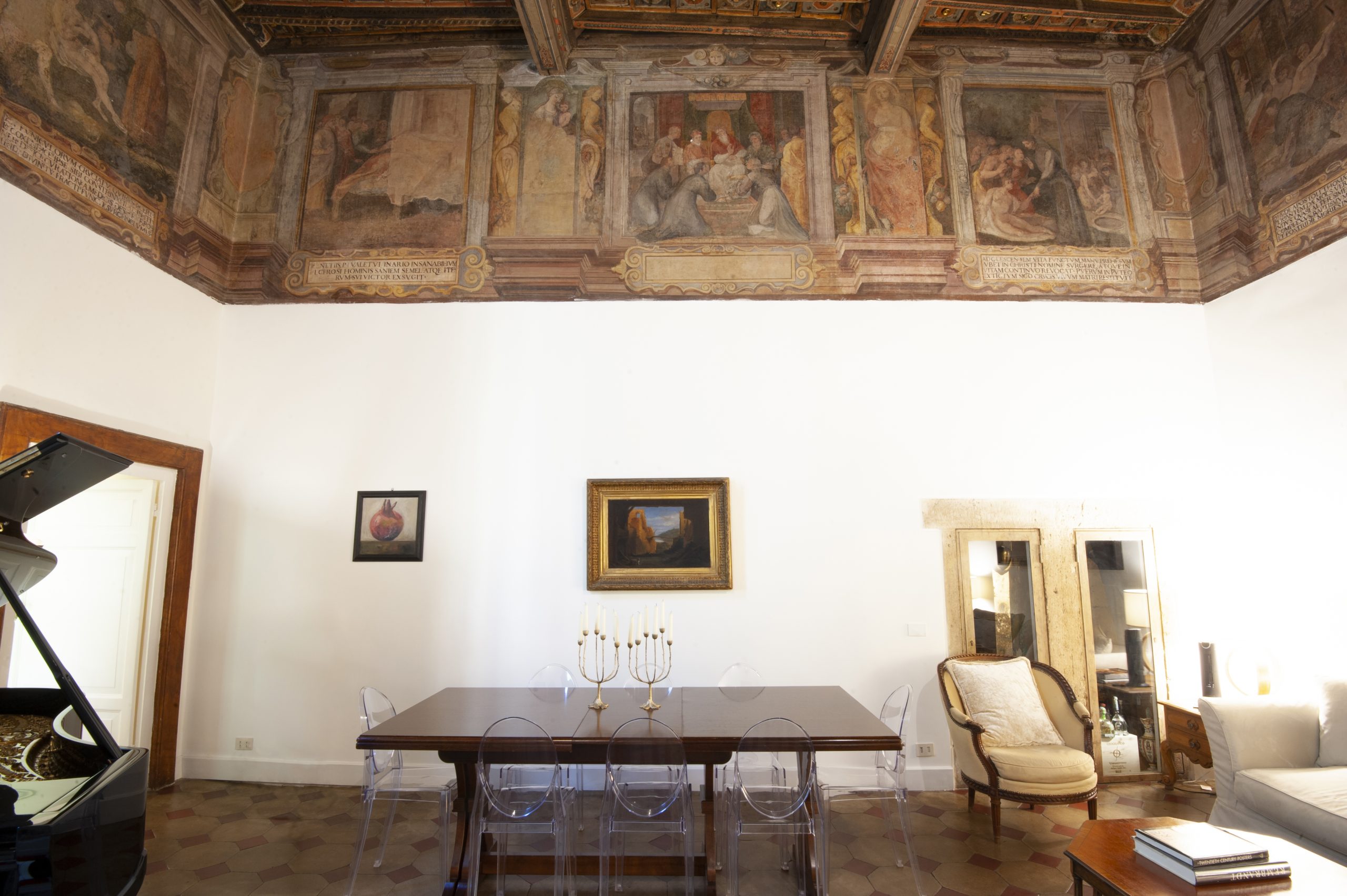
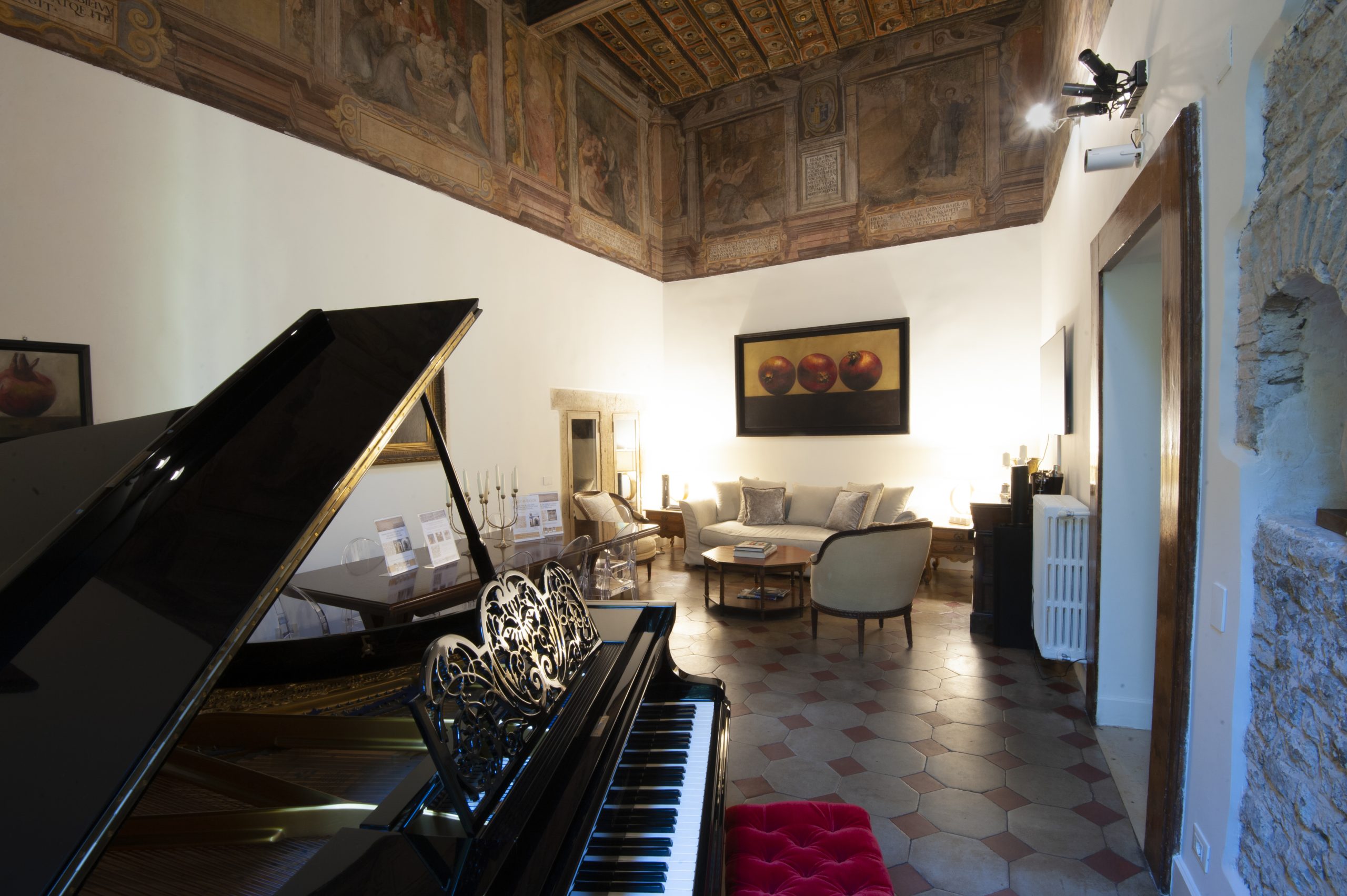
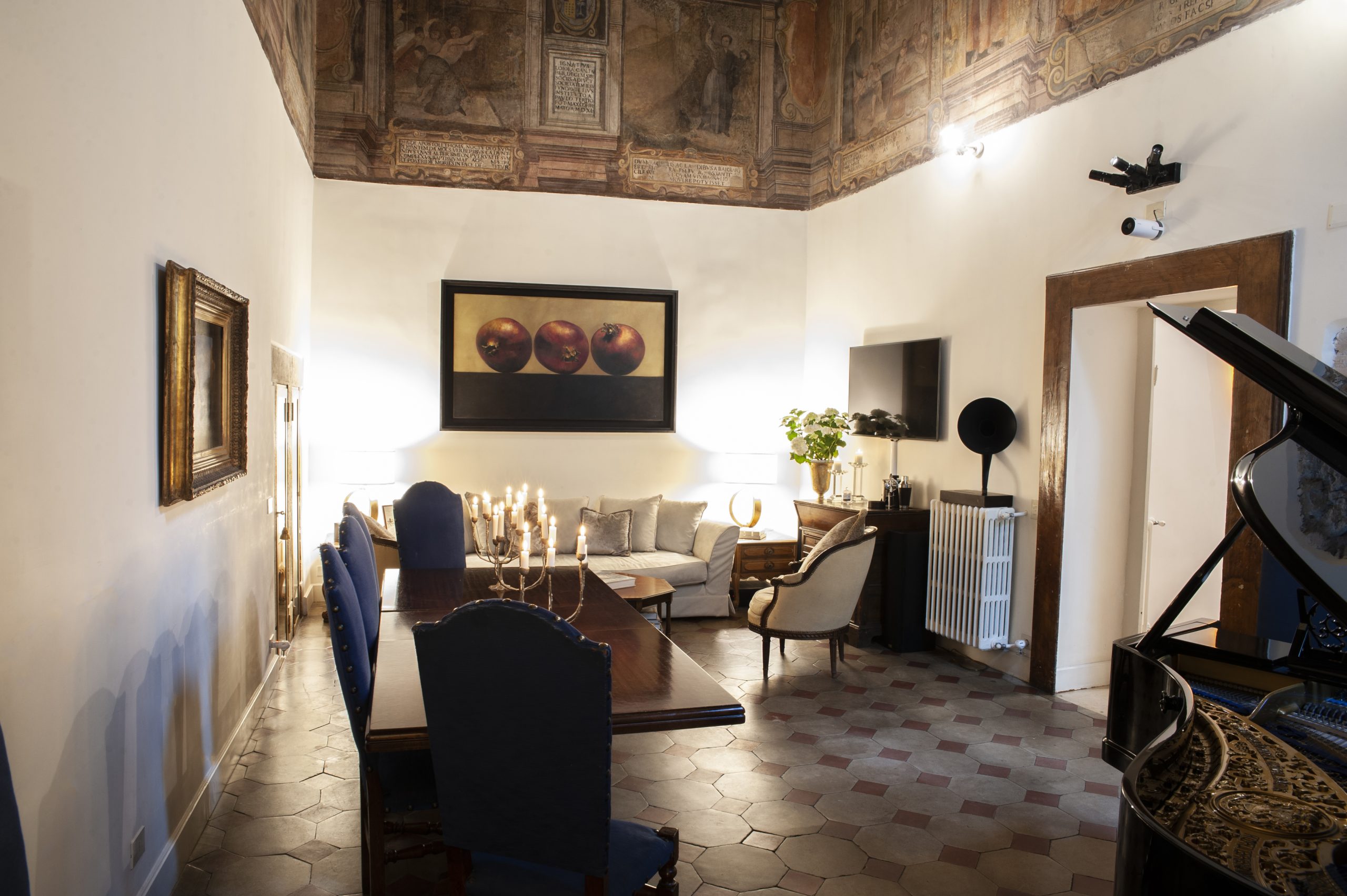
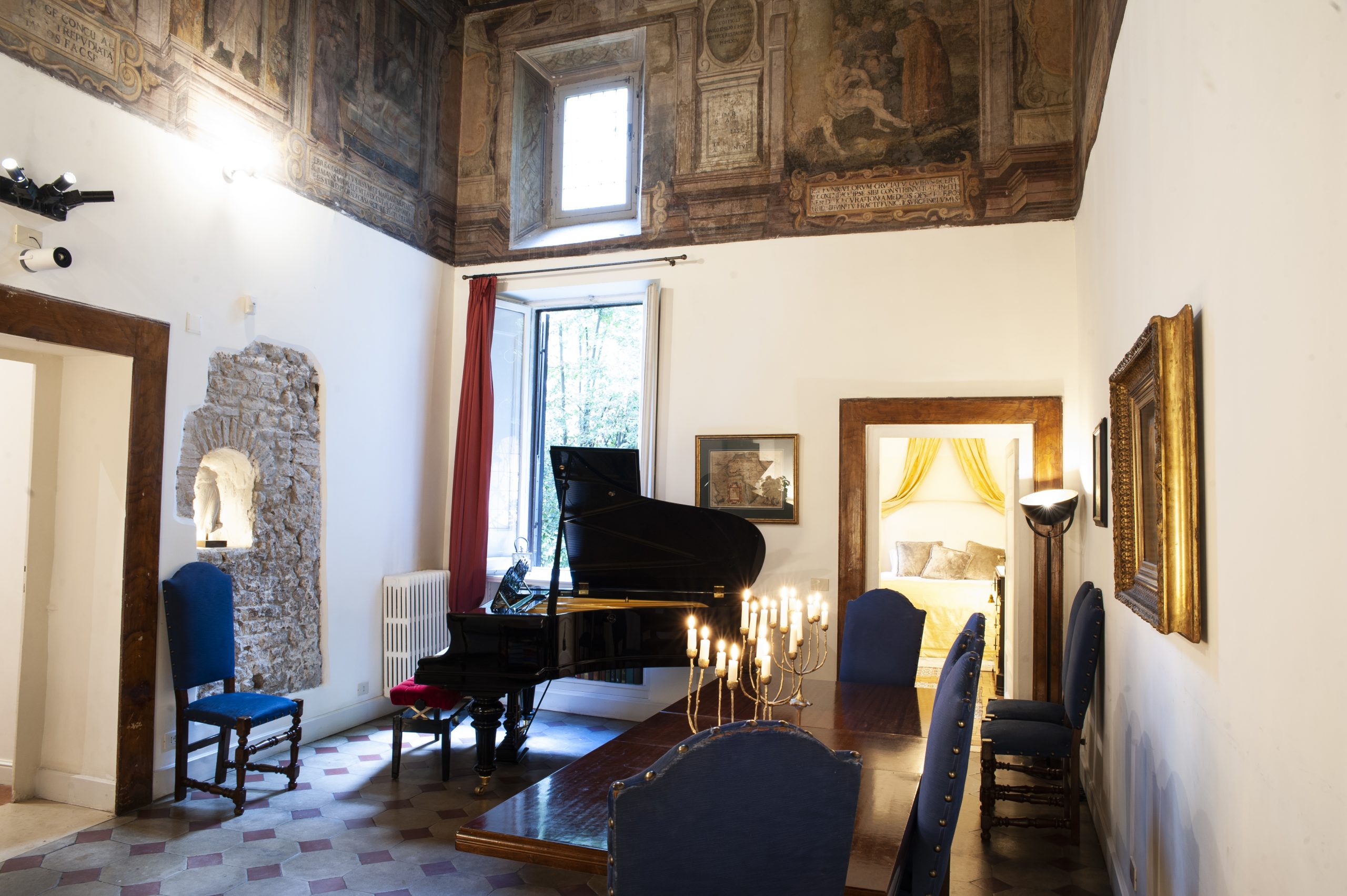
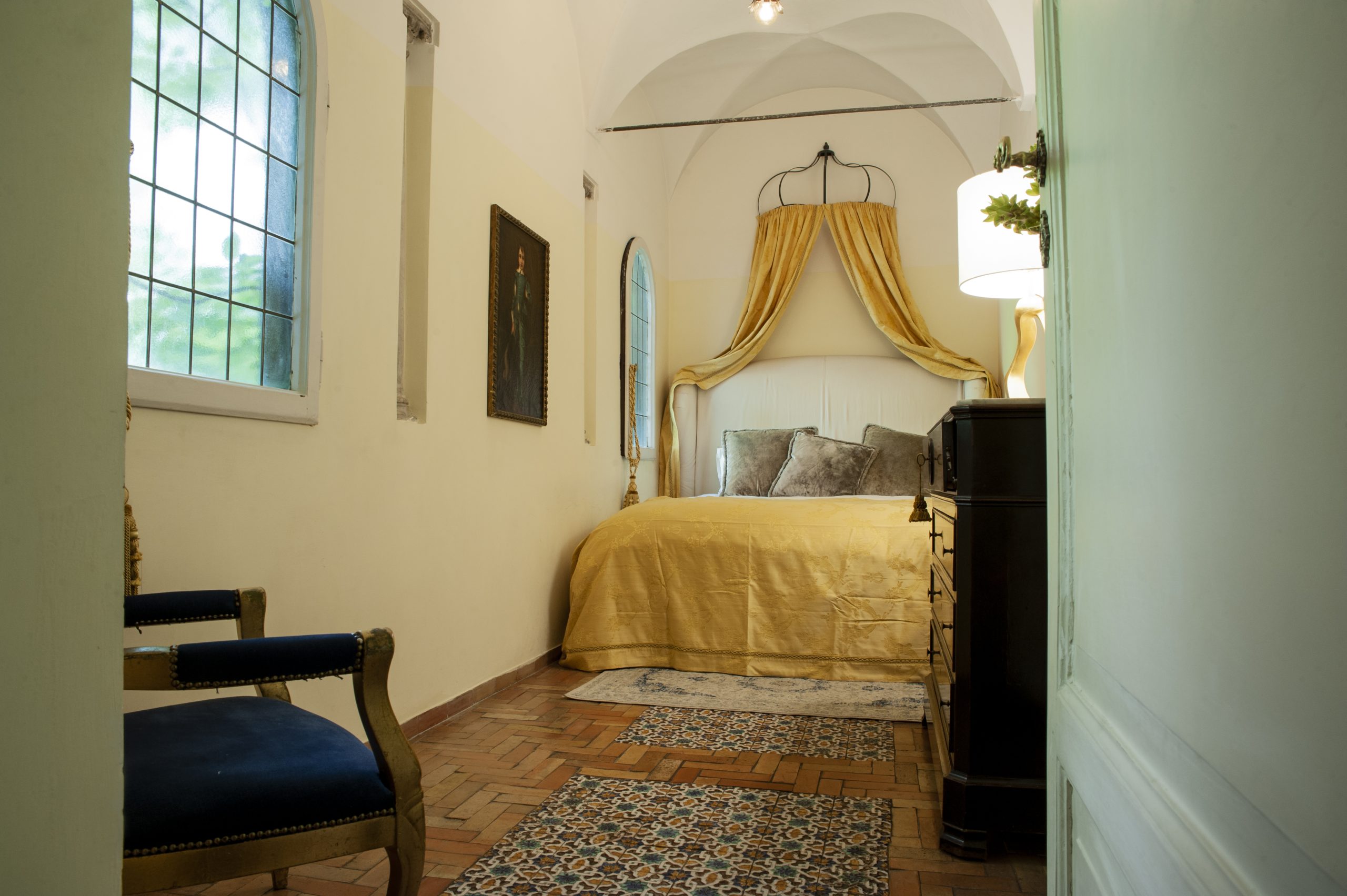
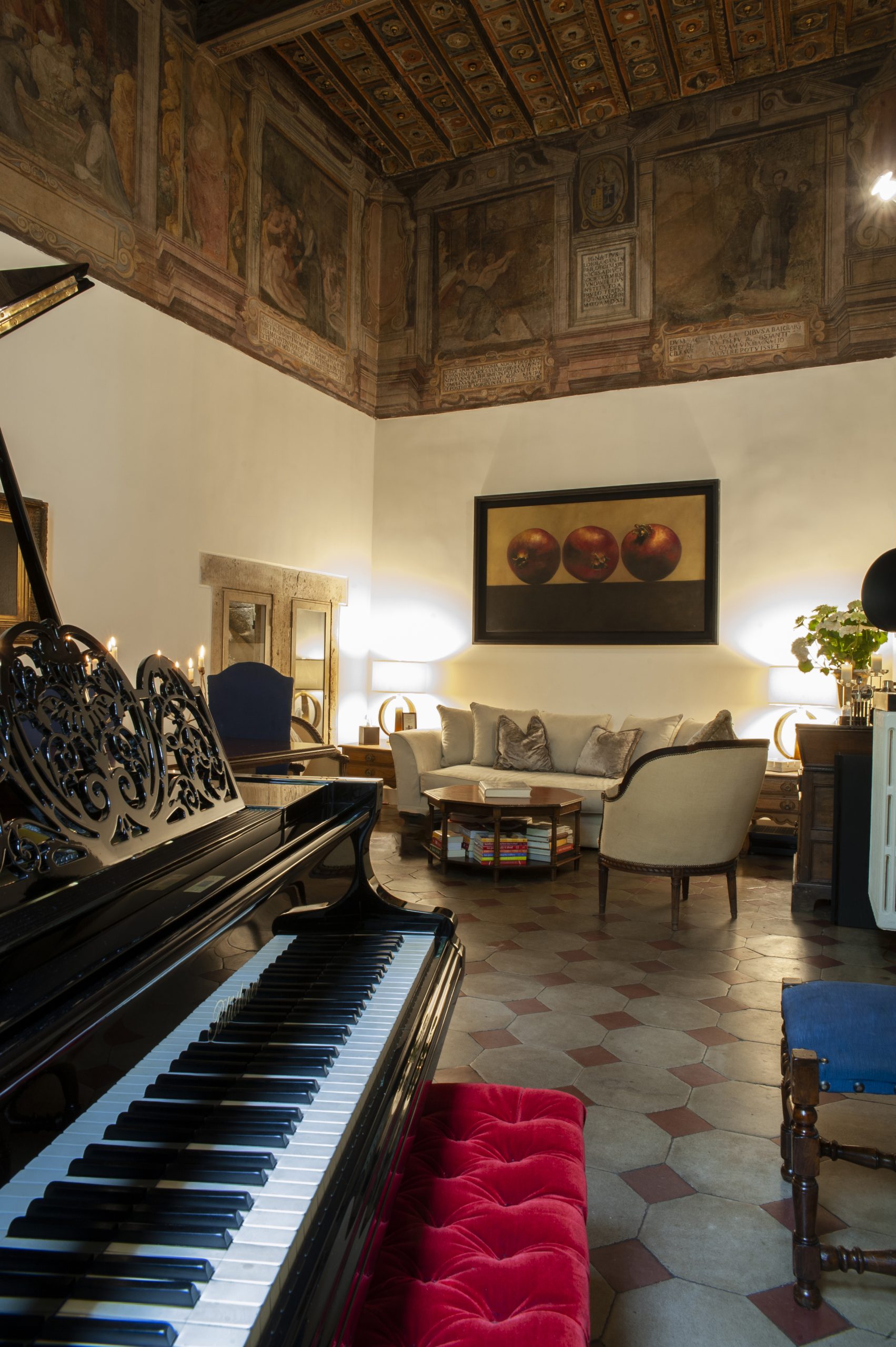
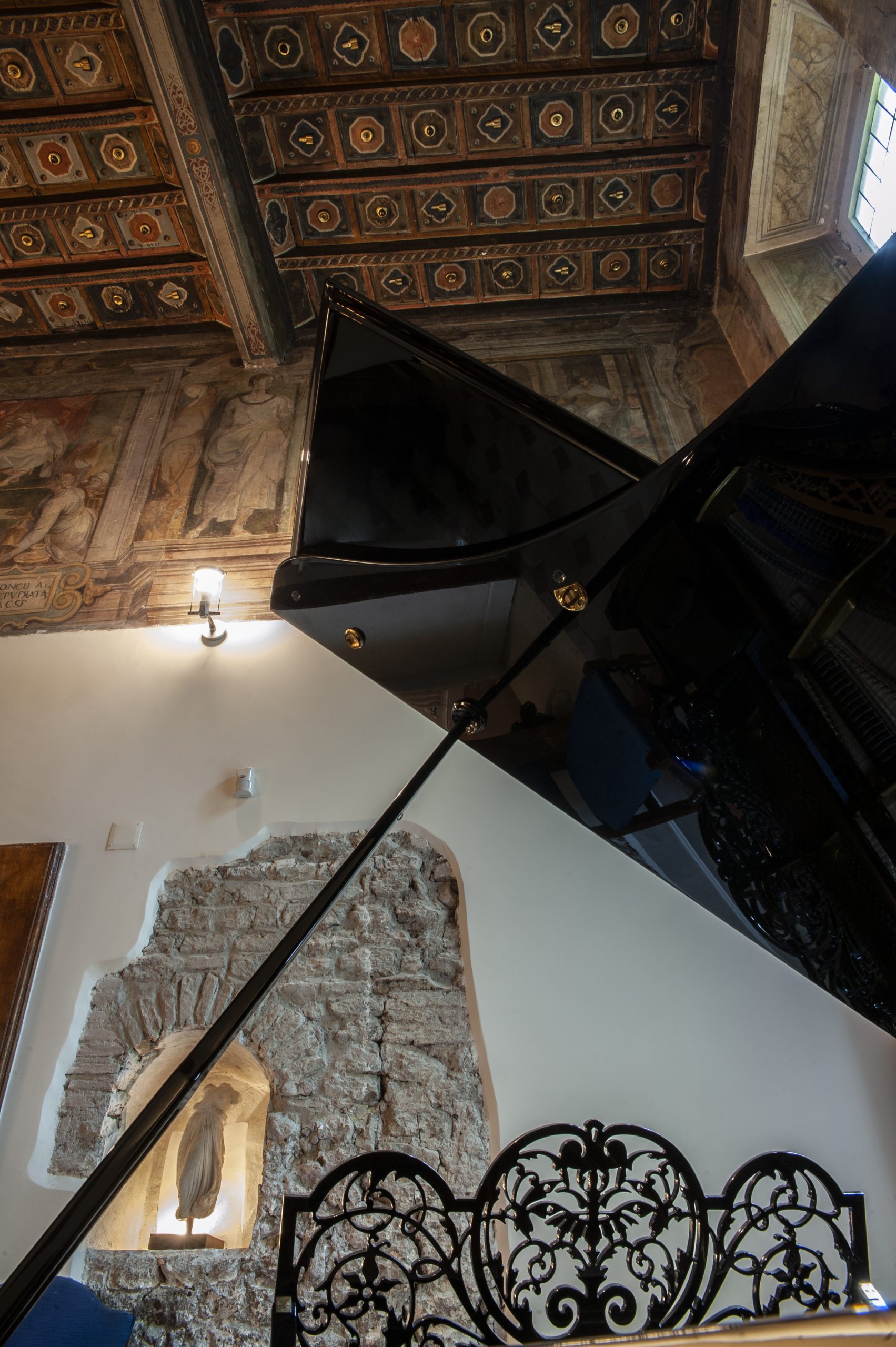
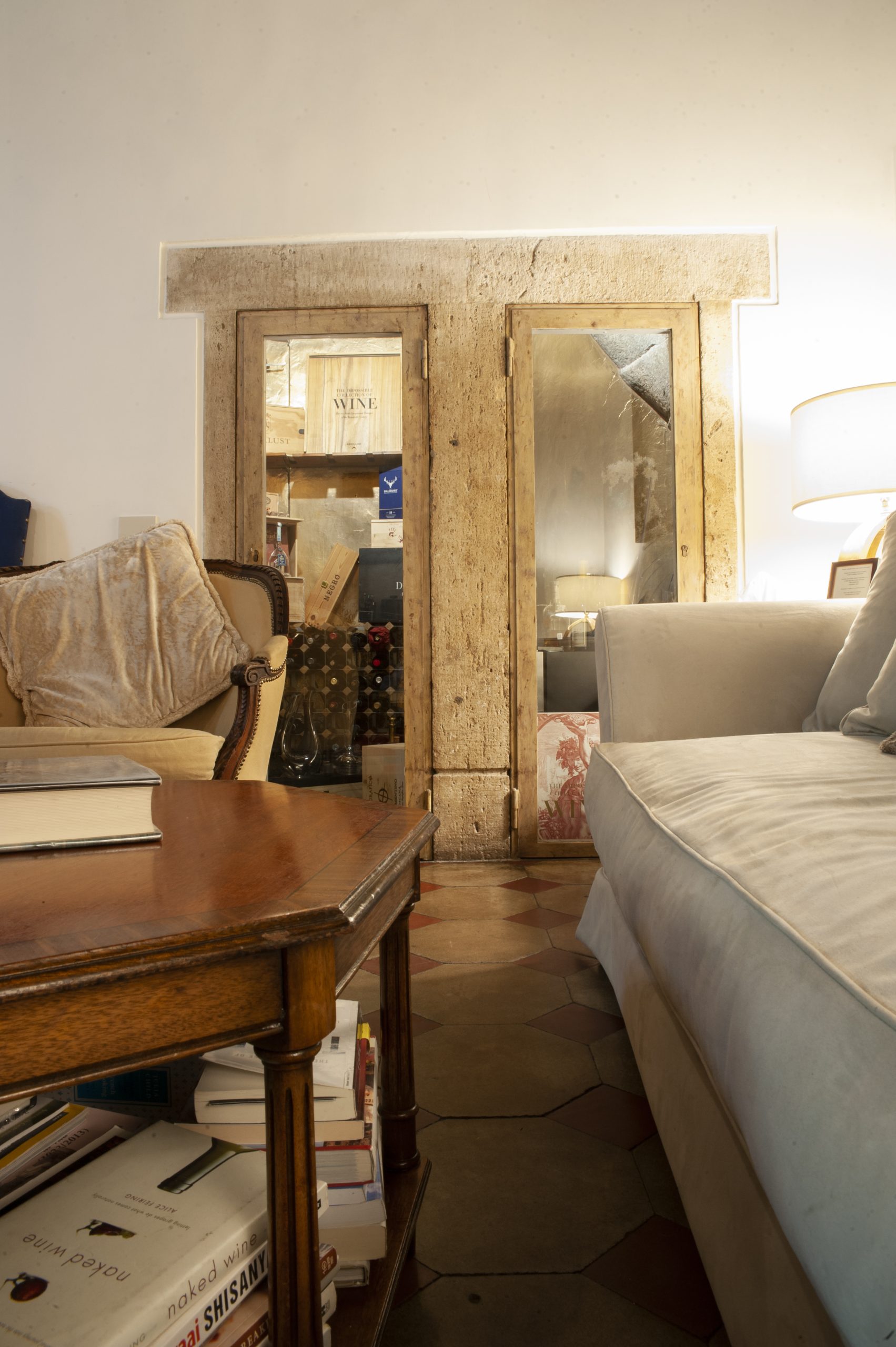
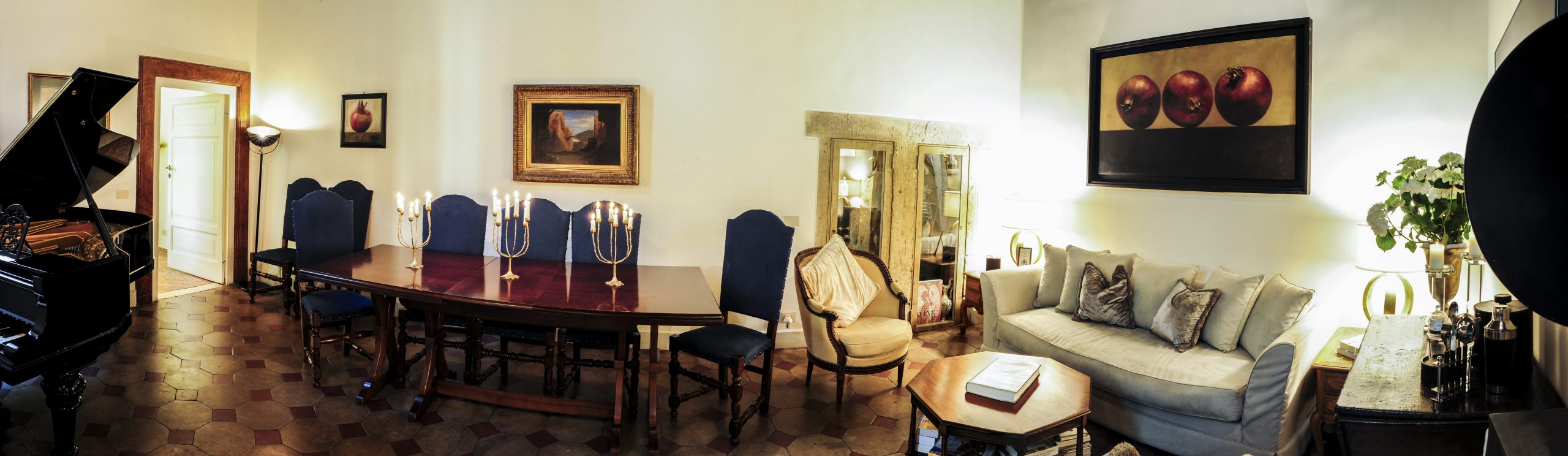
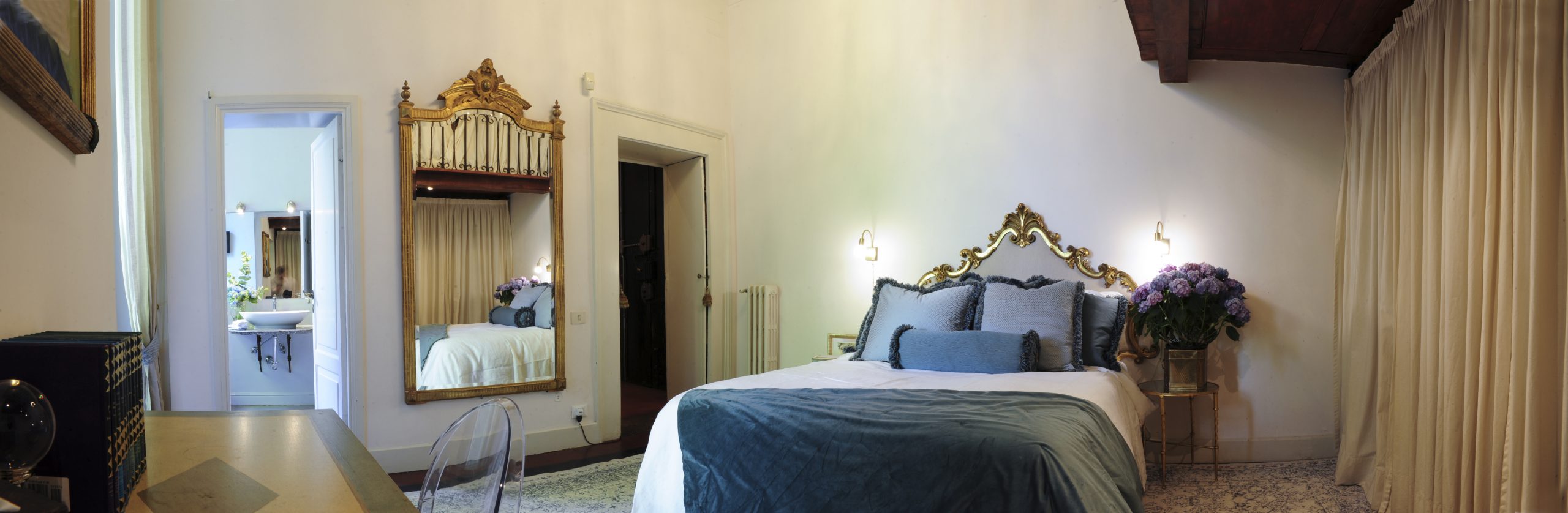
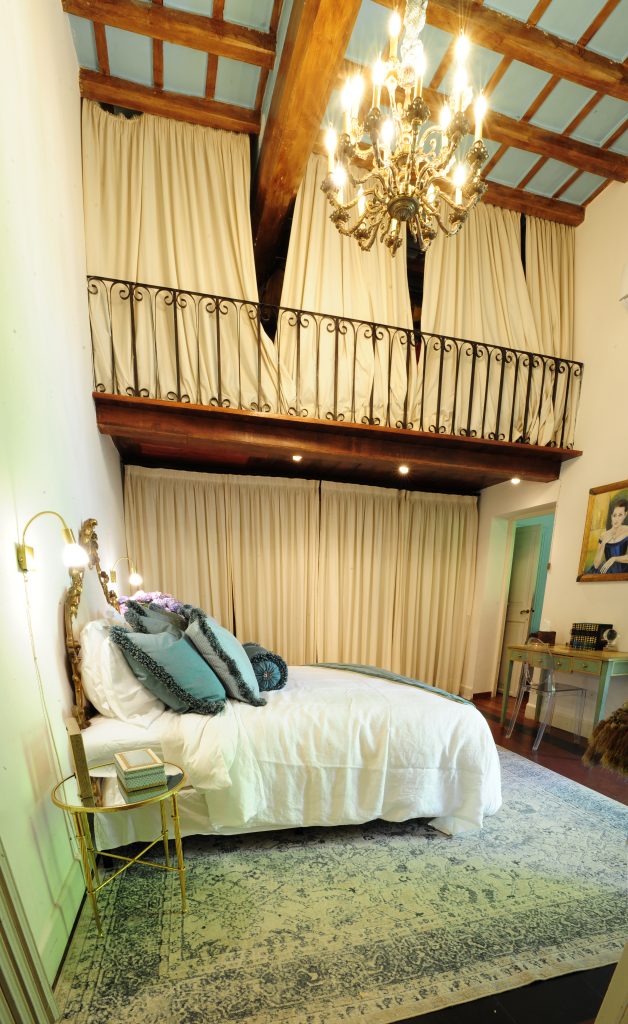
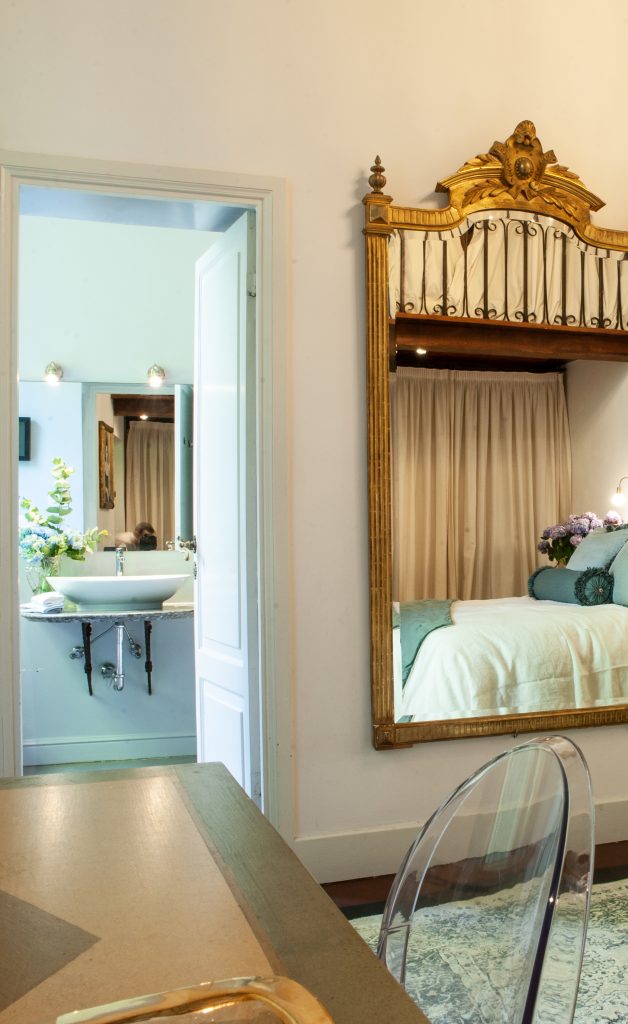
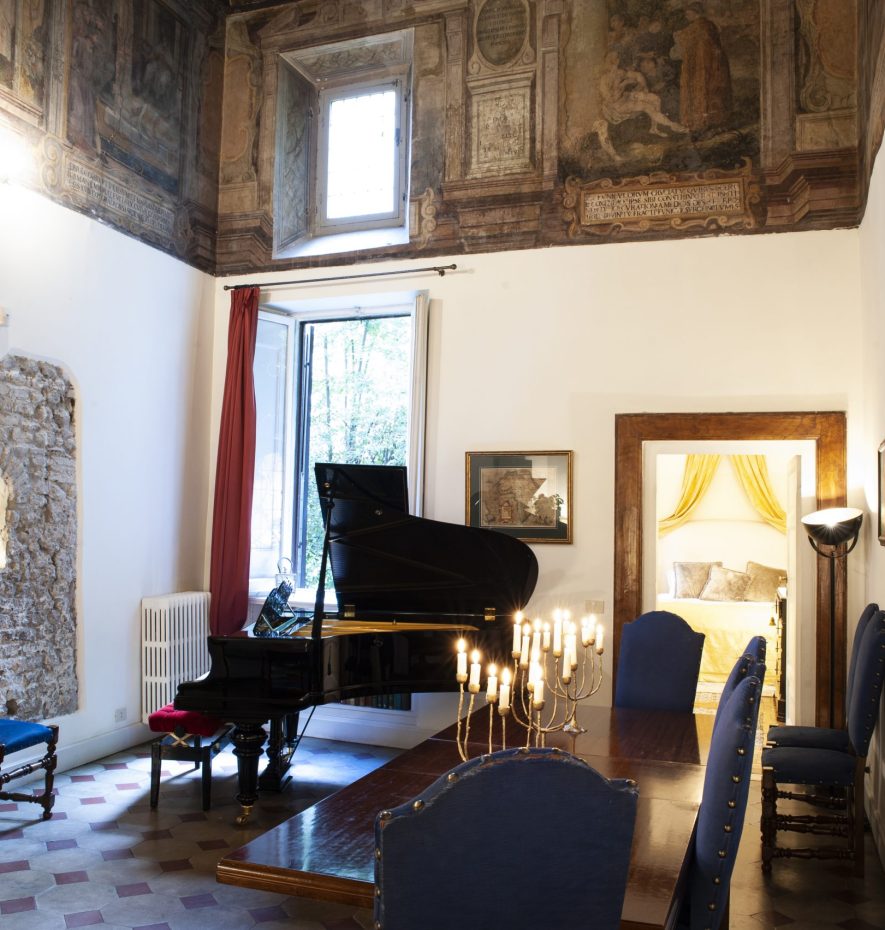
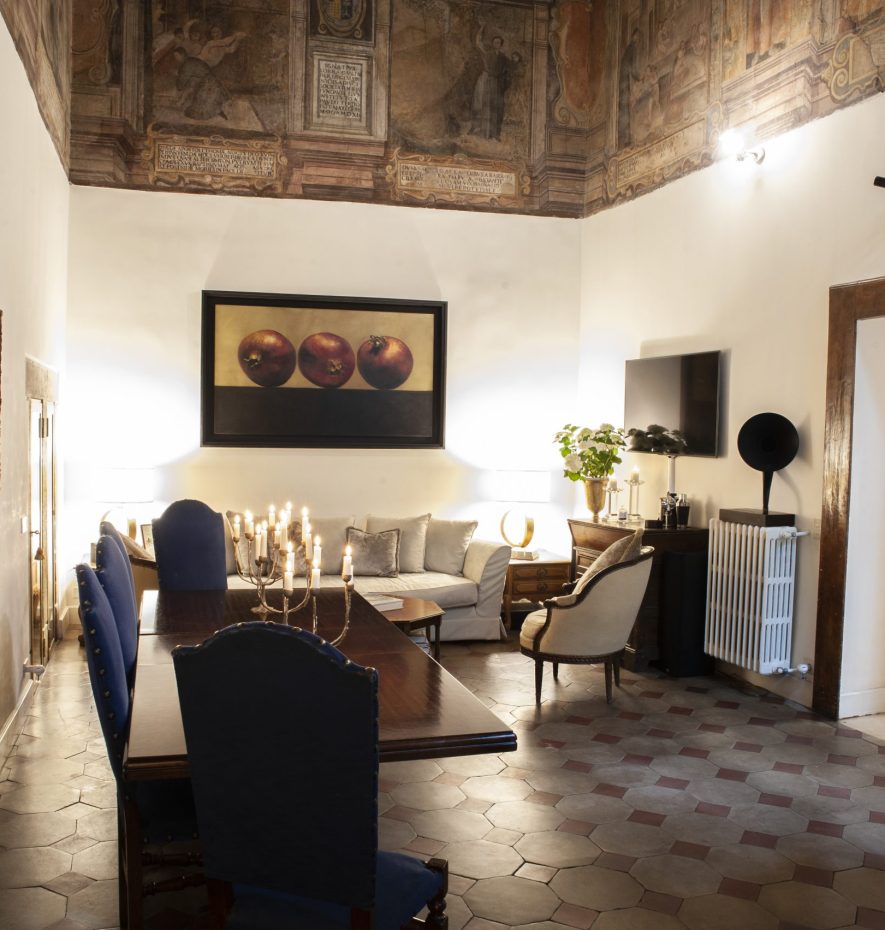
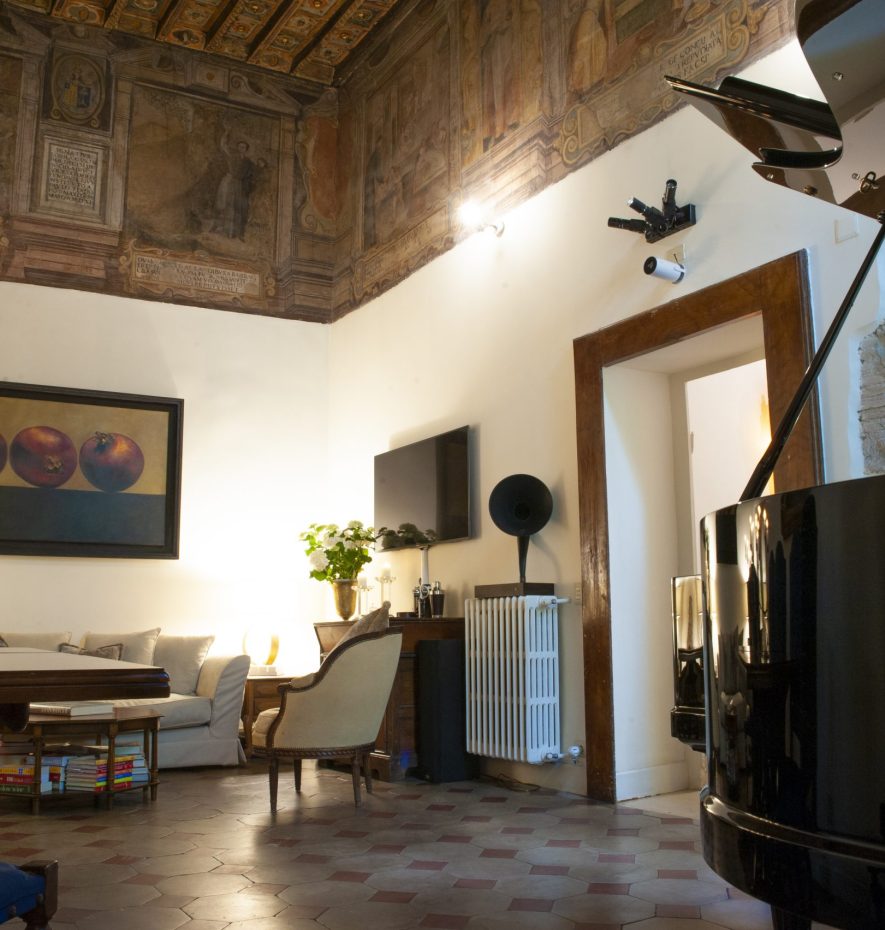
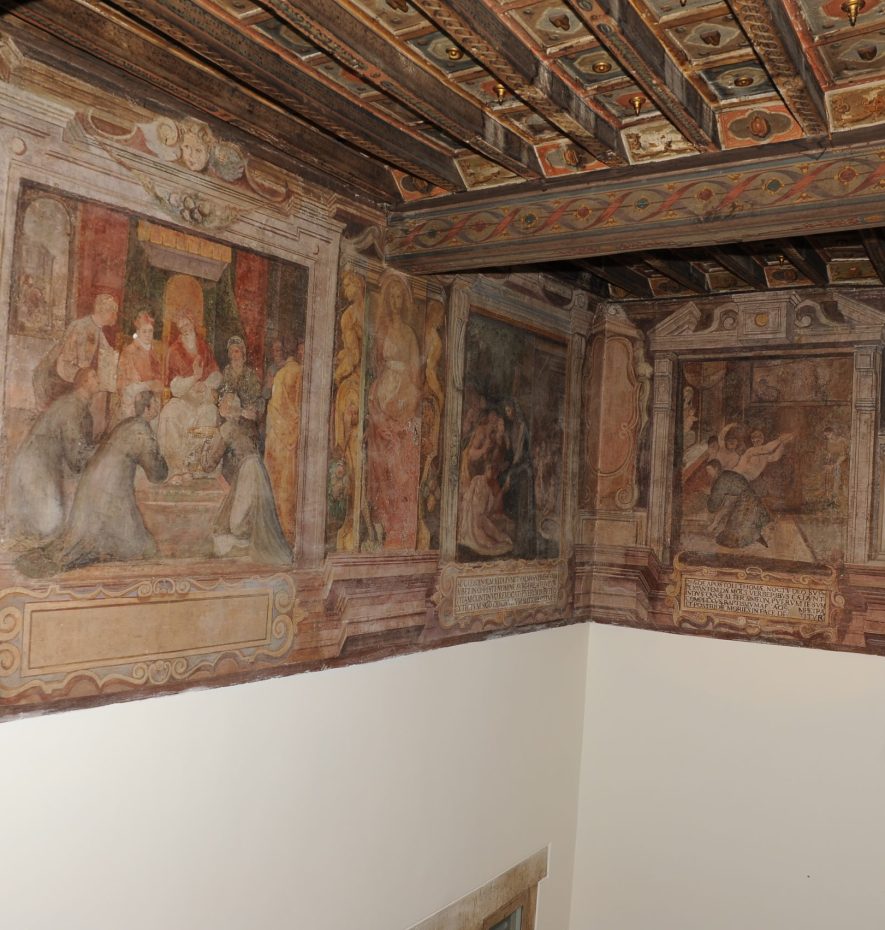
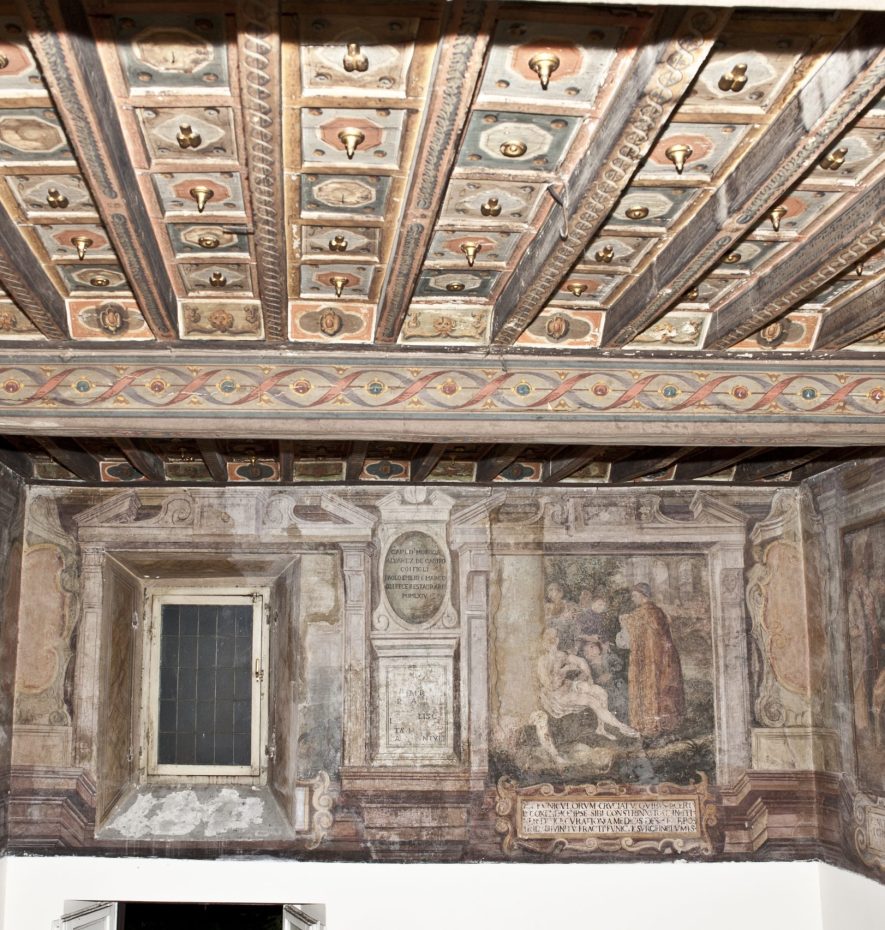
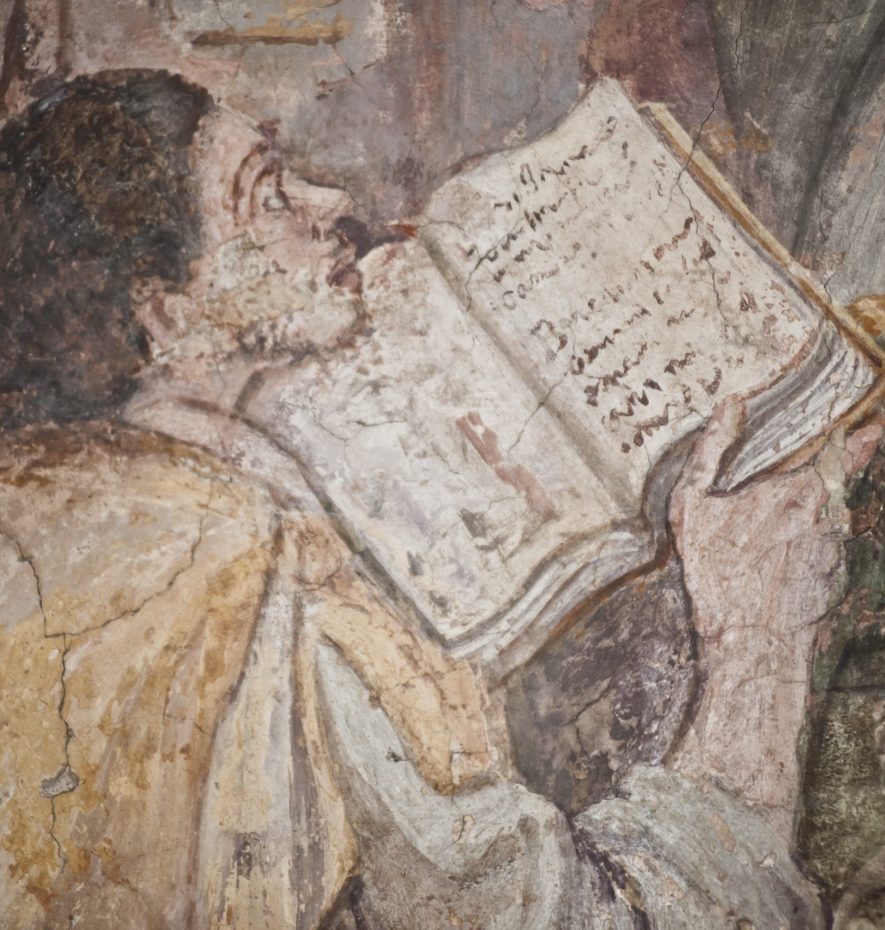
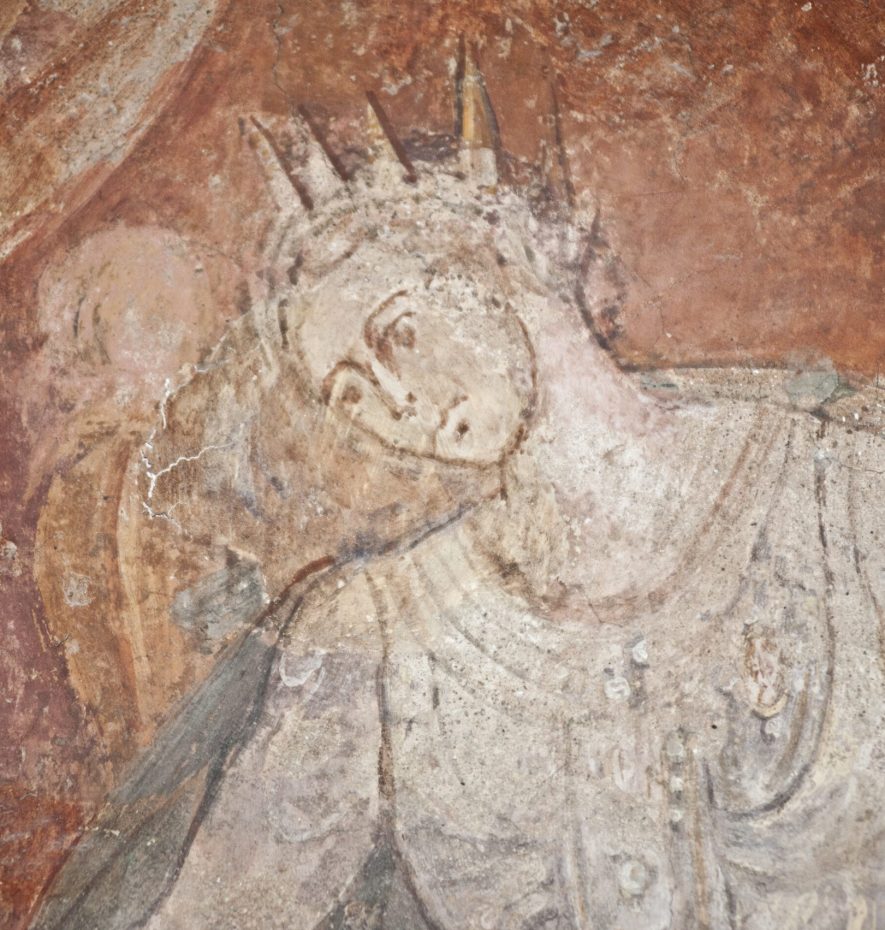
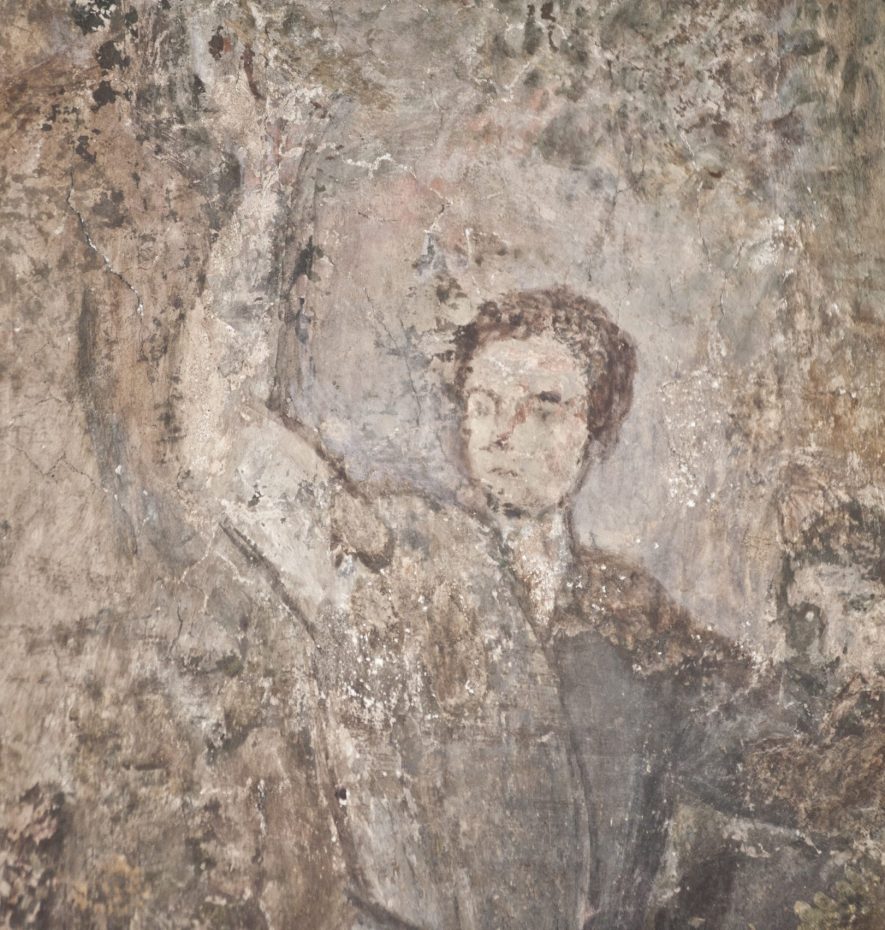
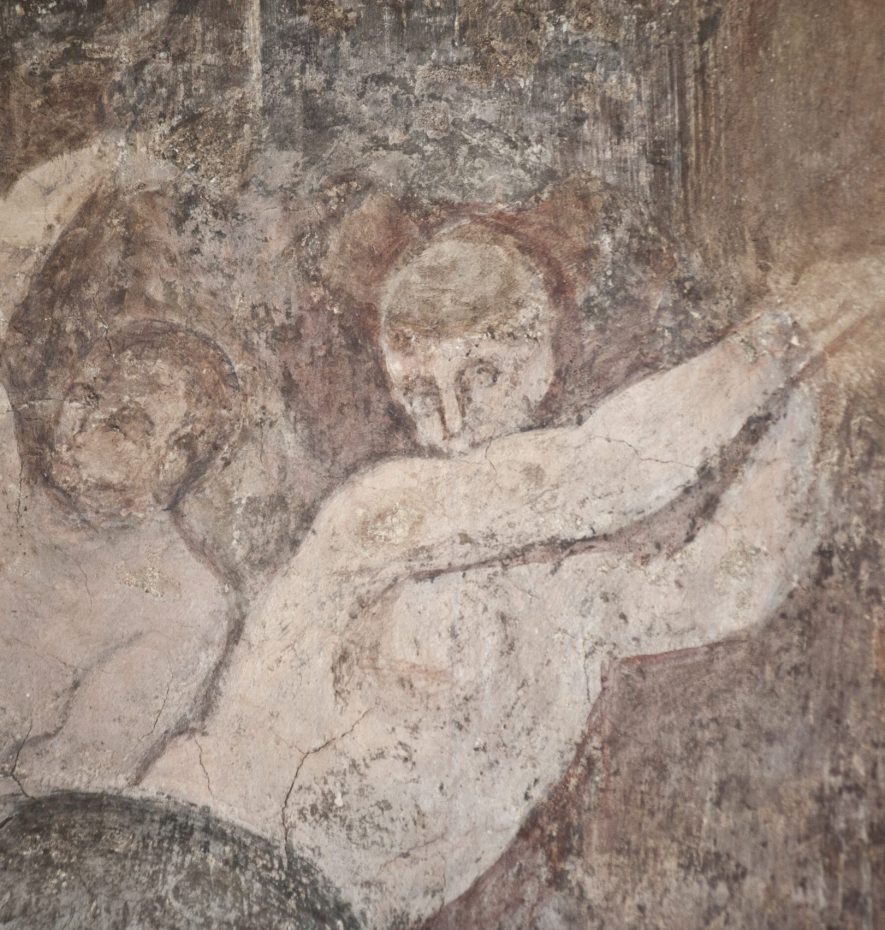
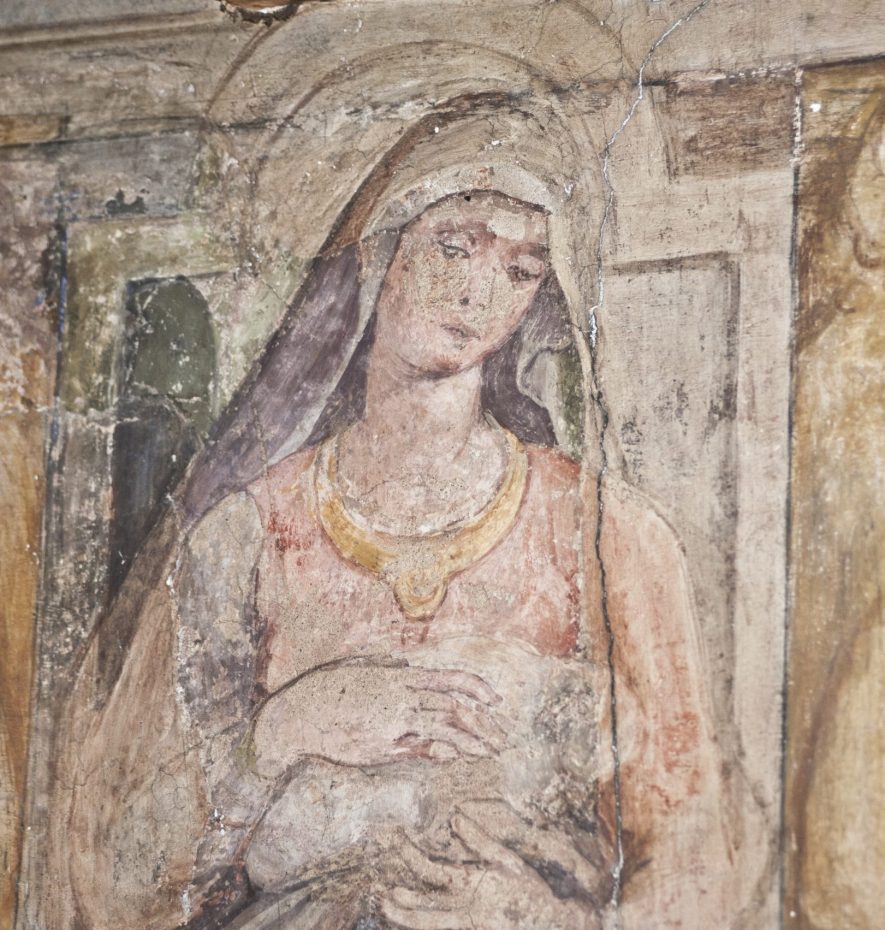
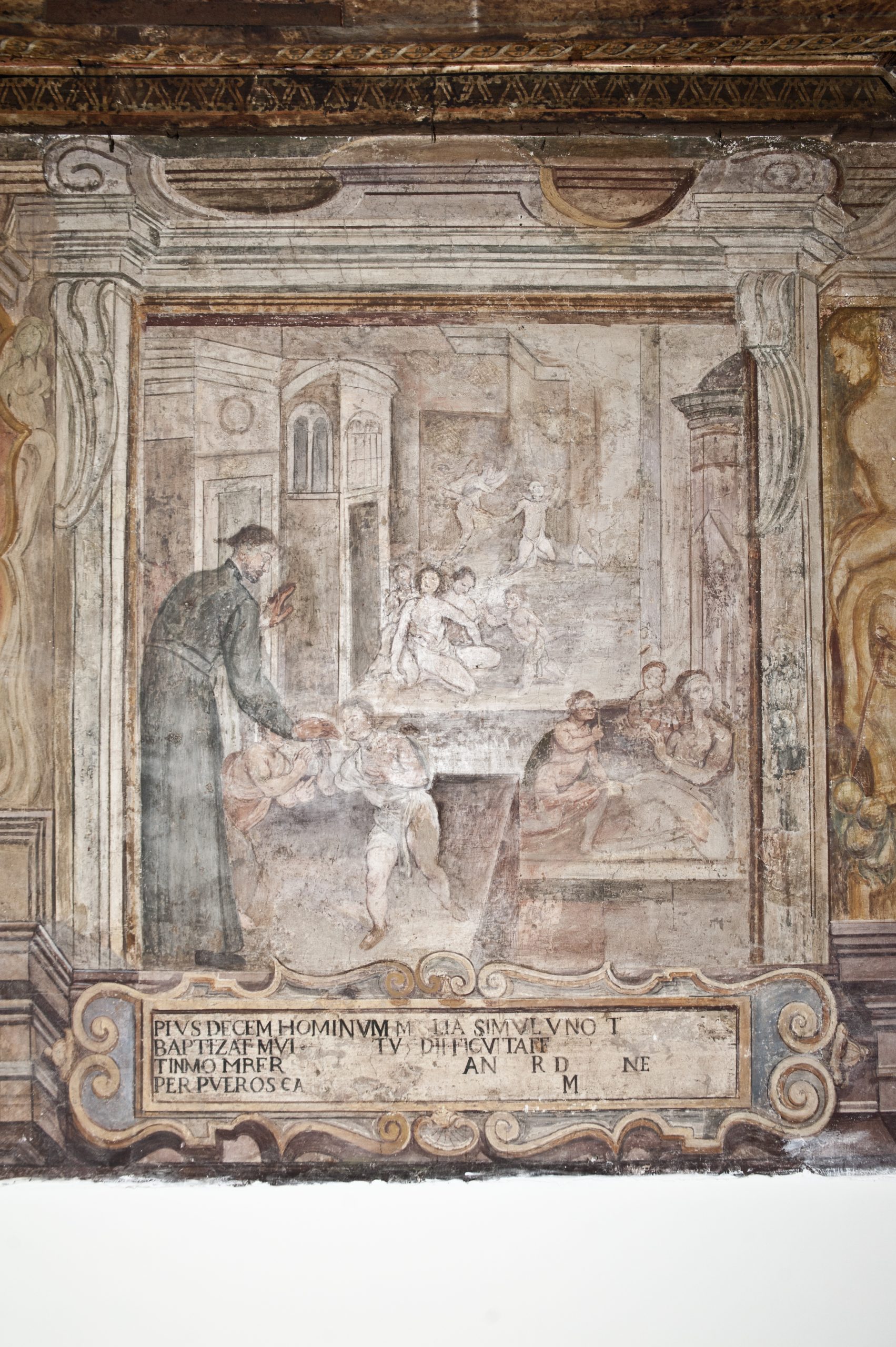
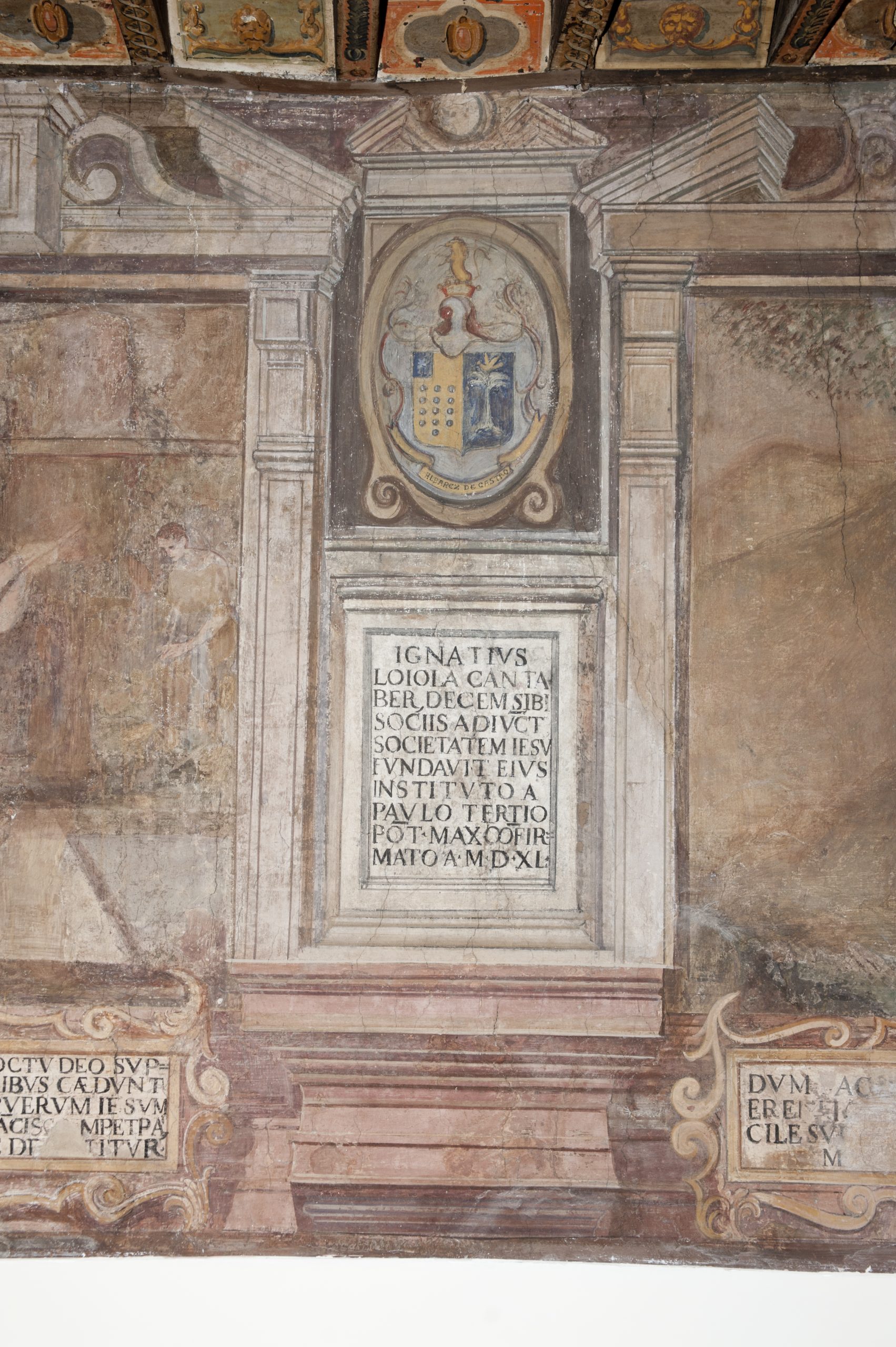
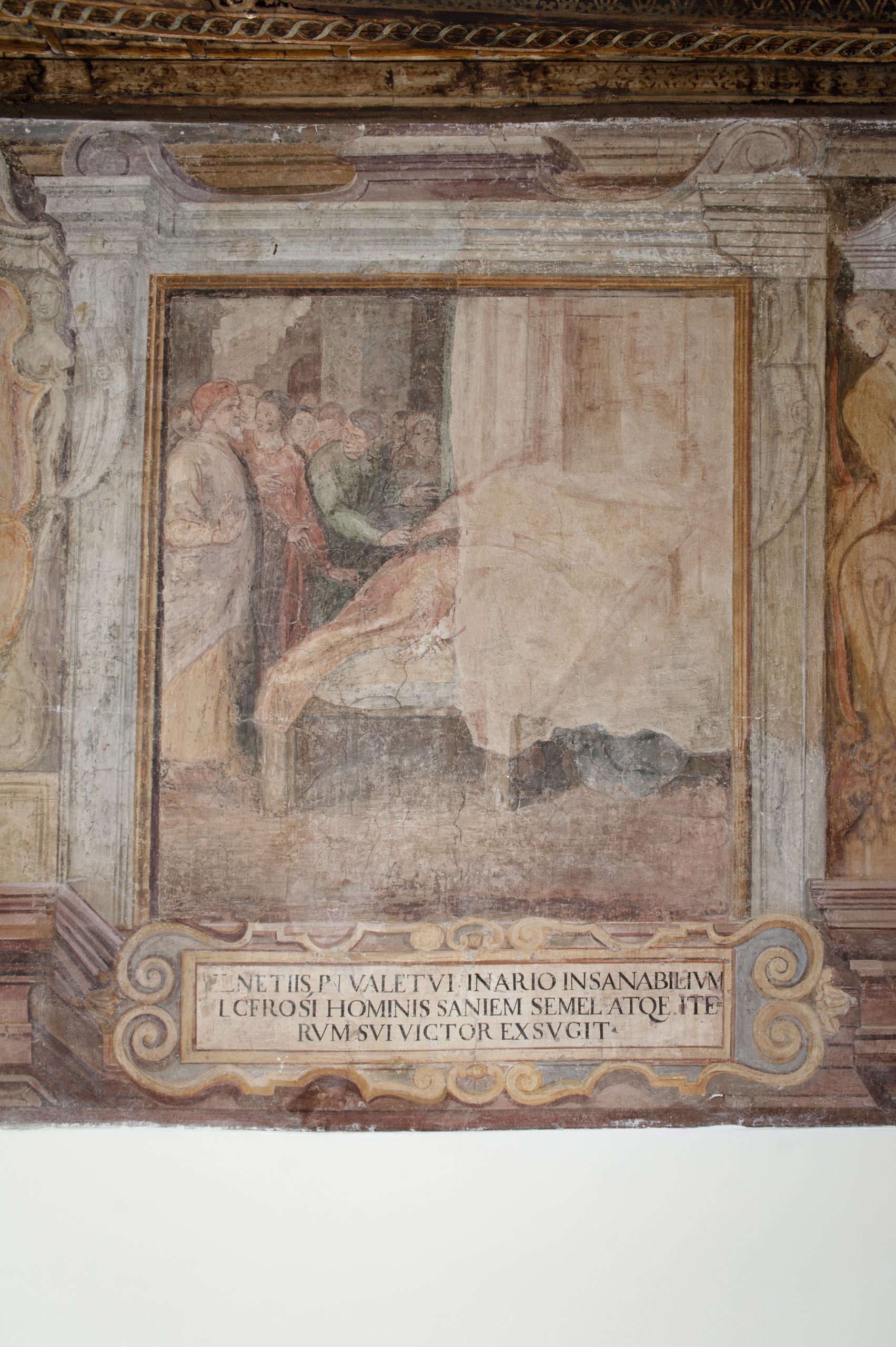
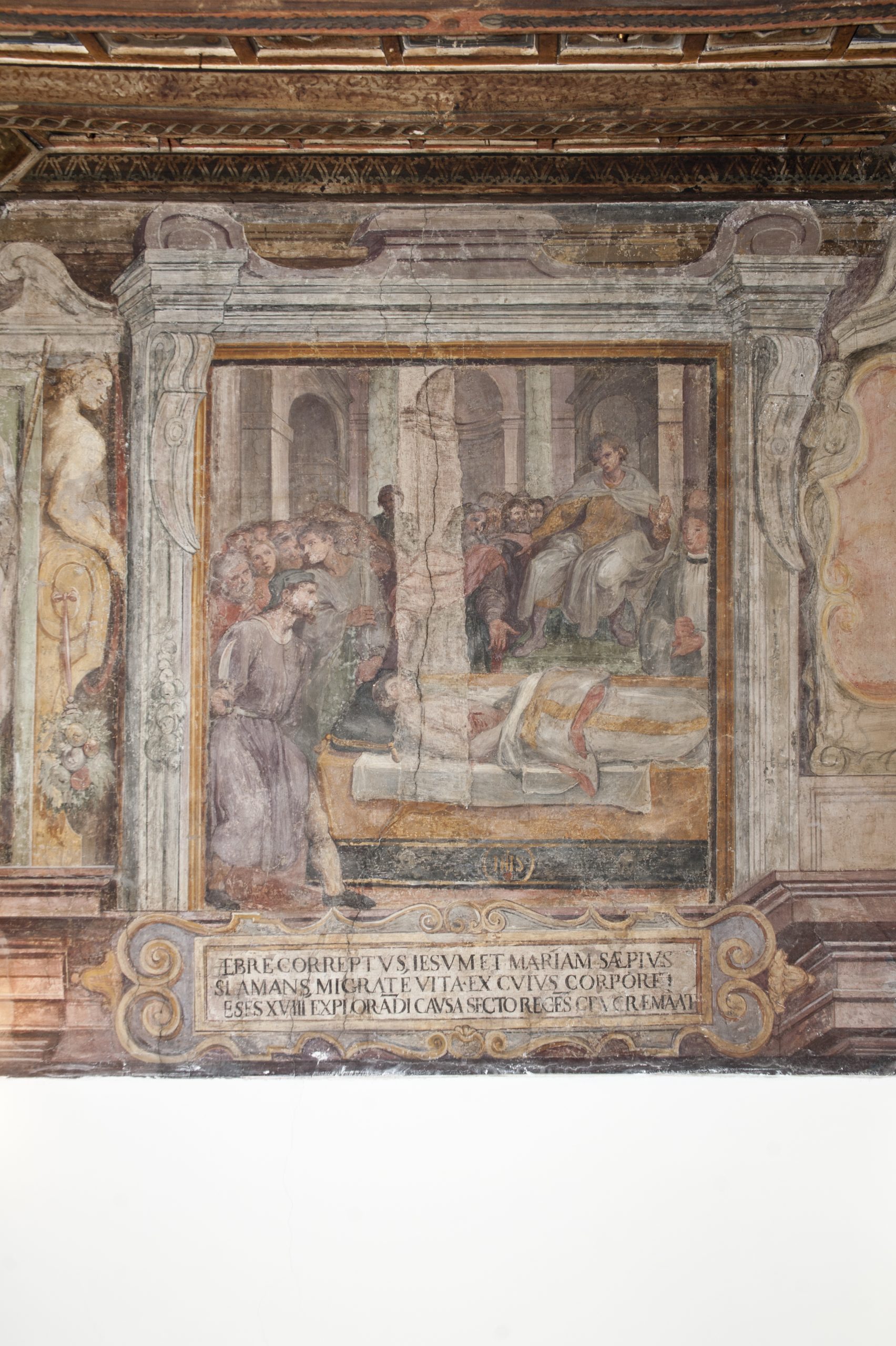
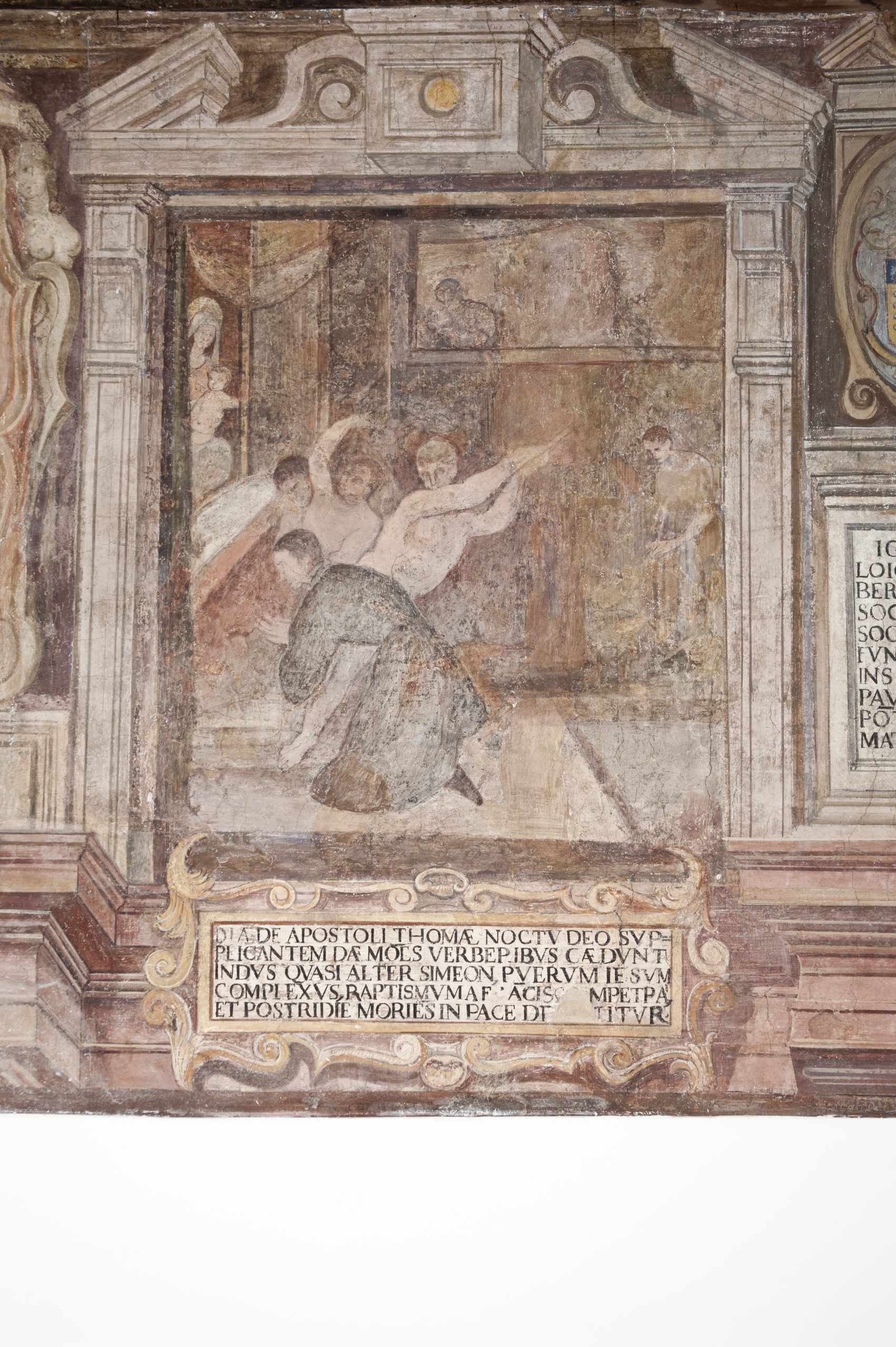
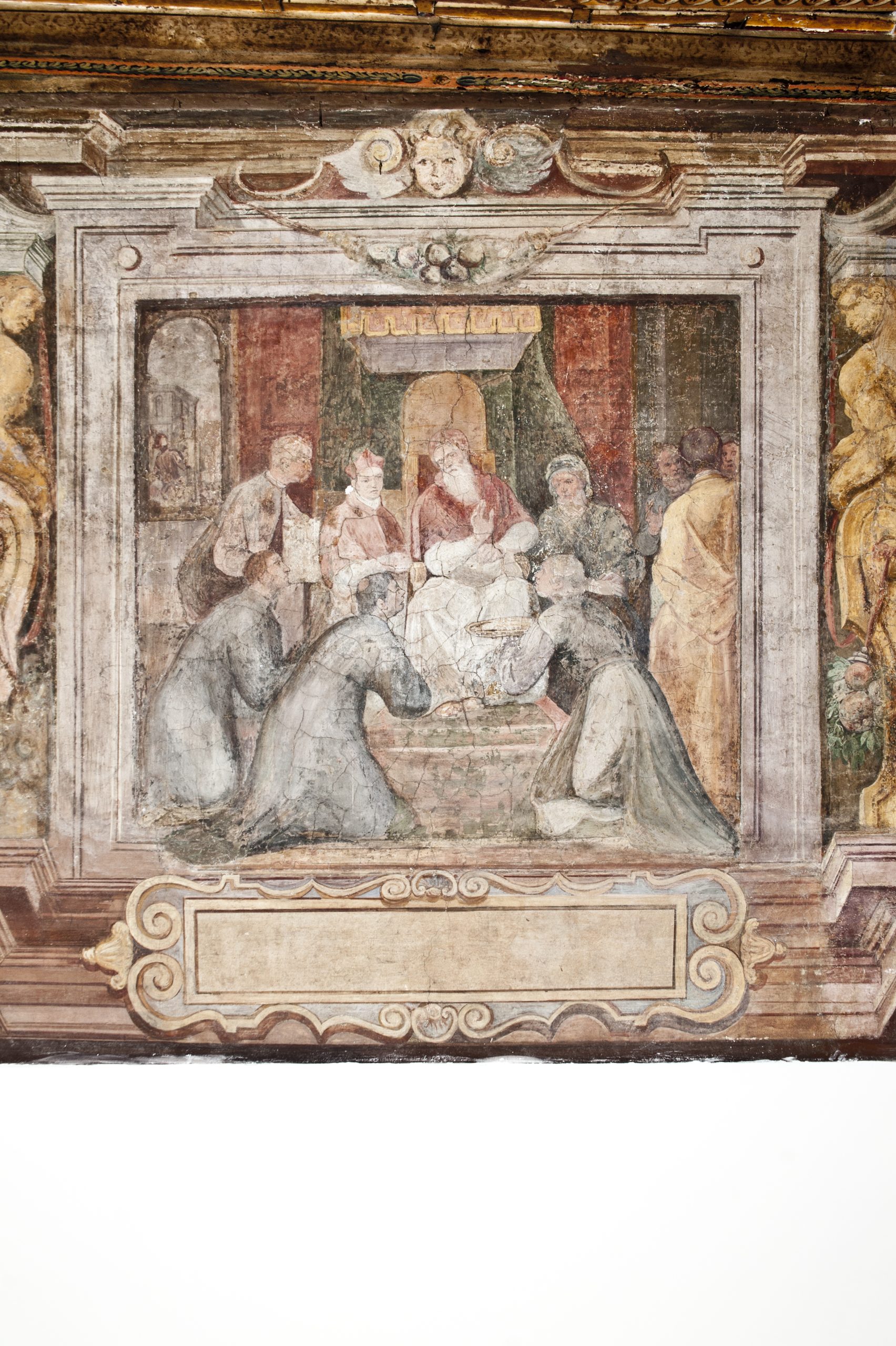
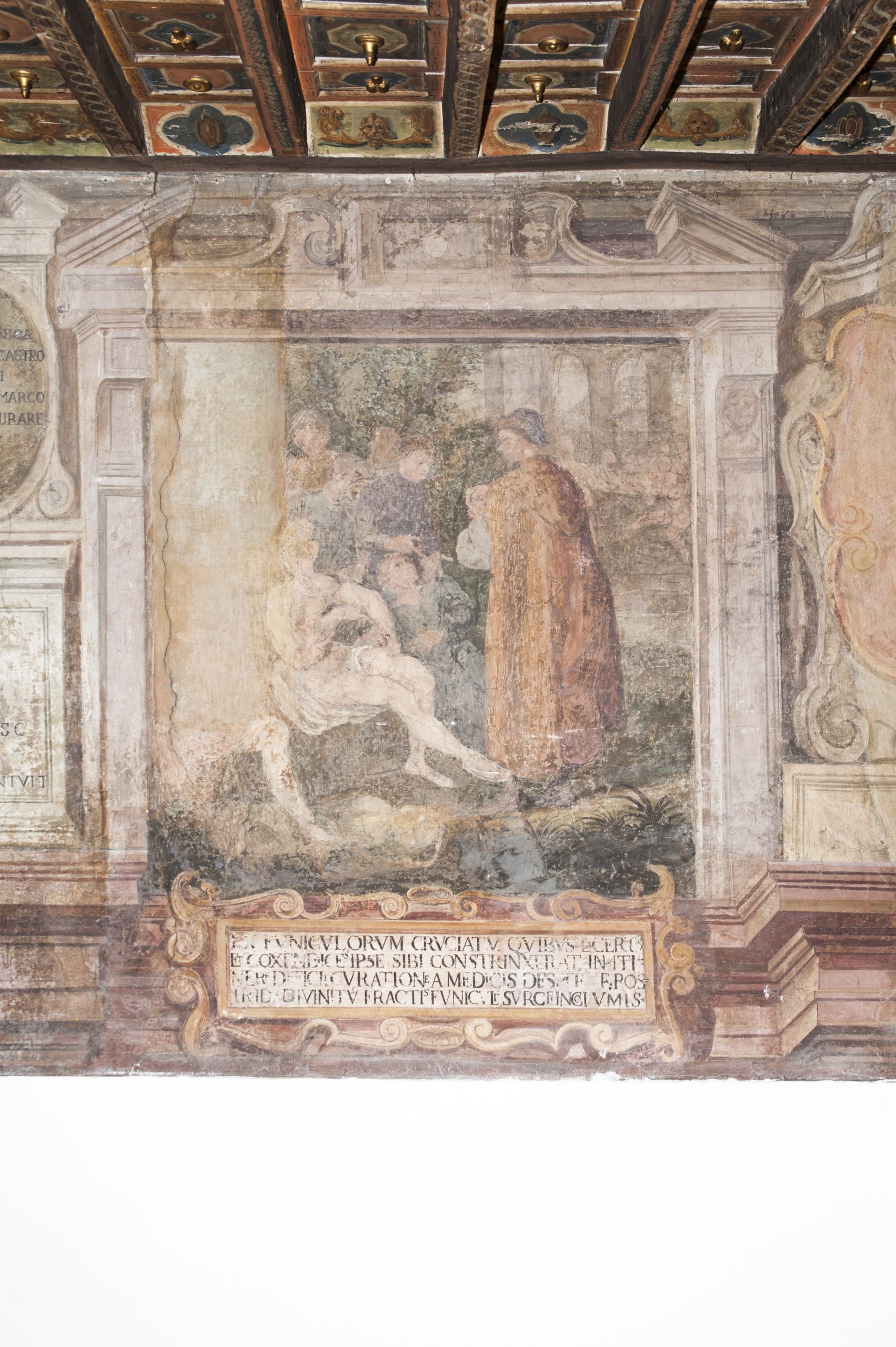
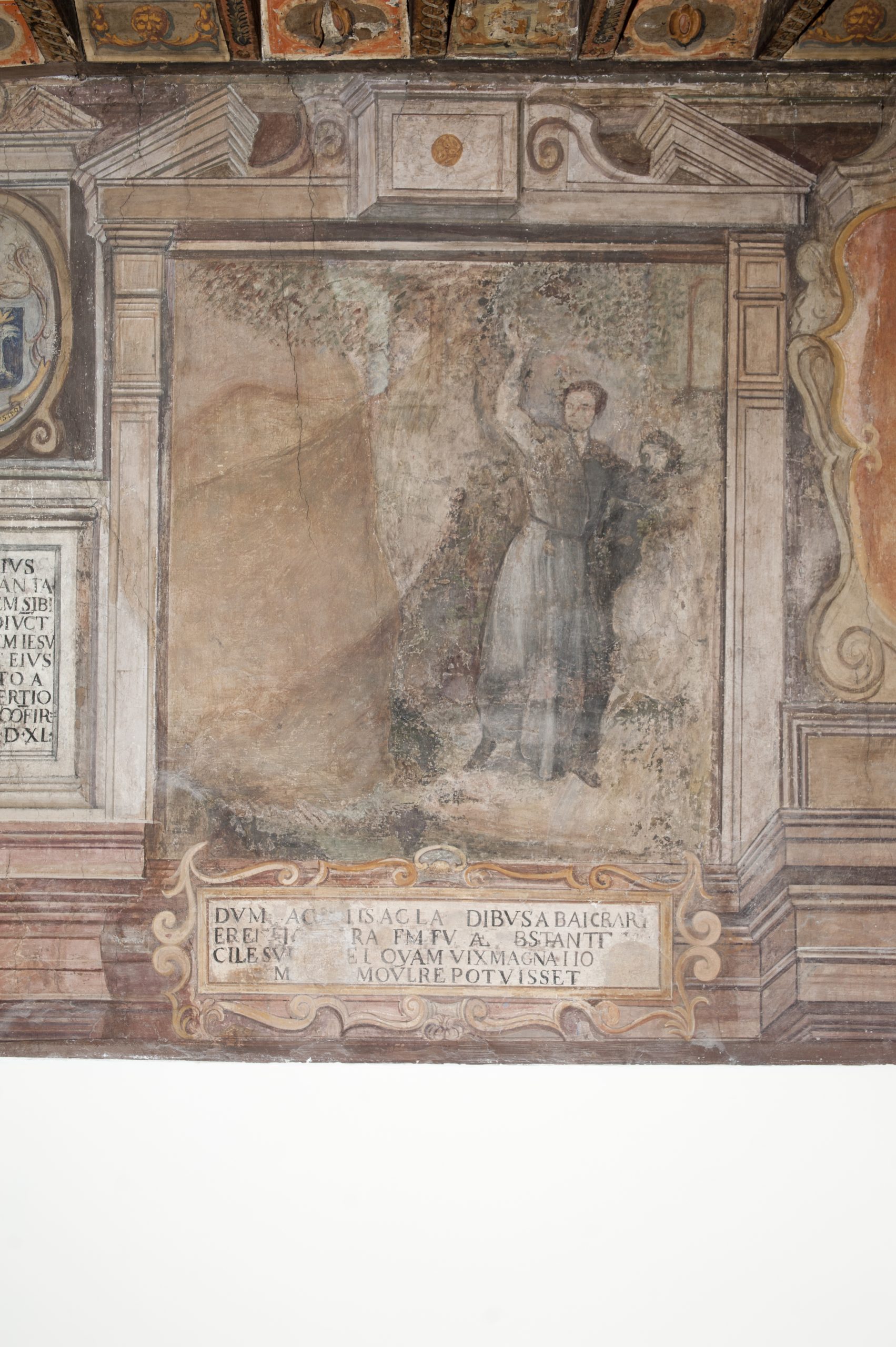
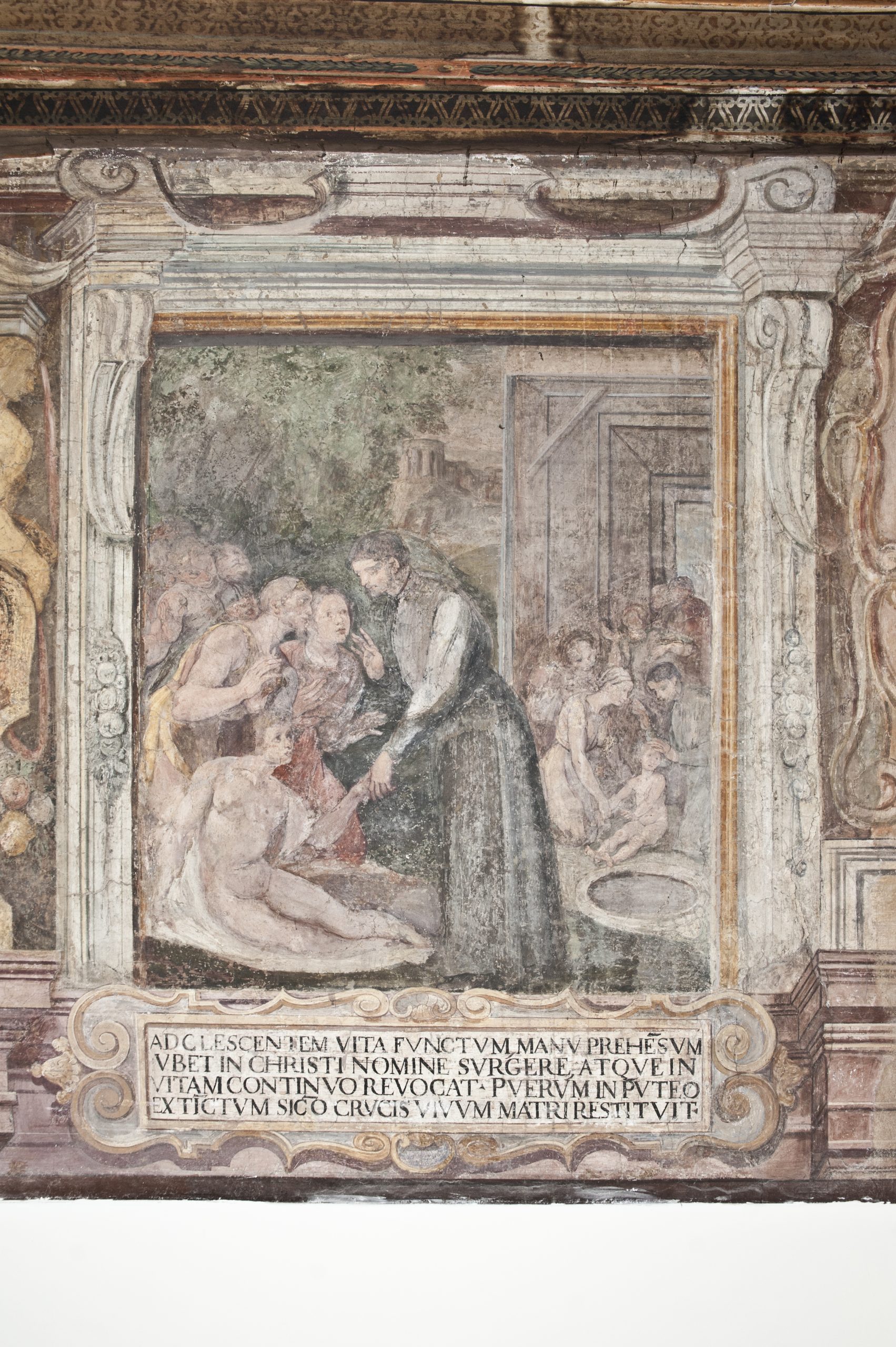
Inside, the apartment, located on the noble floor of the palace, consists of 5 rooms: entrance, hallway, a formal reception hall, 3 bedrooms (two of which are doubles), a balcony overlooking the palace’s secret garden, and two bathrooms. The double-height reception hall is furnished with an extensive dining table with fine chairs, an elegant and comfortable four-seater sofa, two armchairs, and a magnificent grand piano. The upper part of the hall features an exquisite series of frescoes dedicated to the life of Saint Ignatius of Loyola, commissioned by the Orfini family.

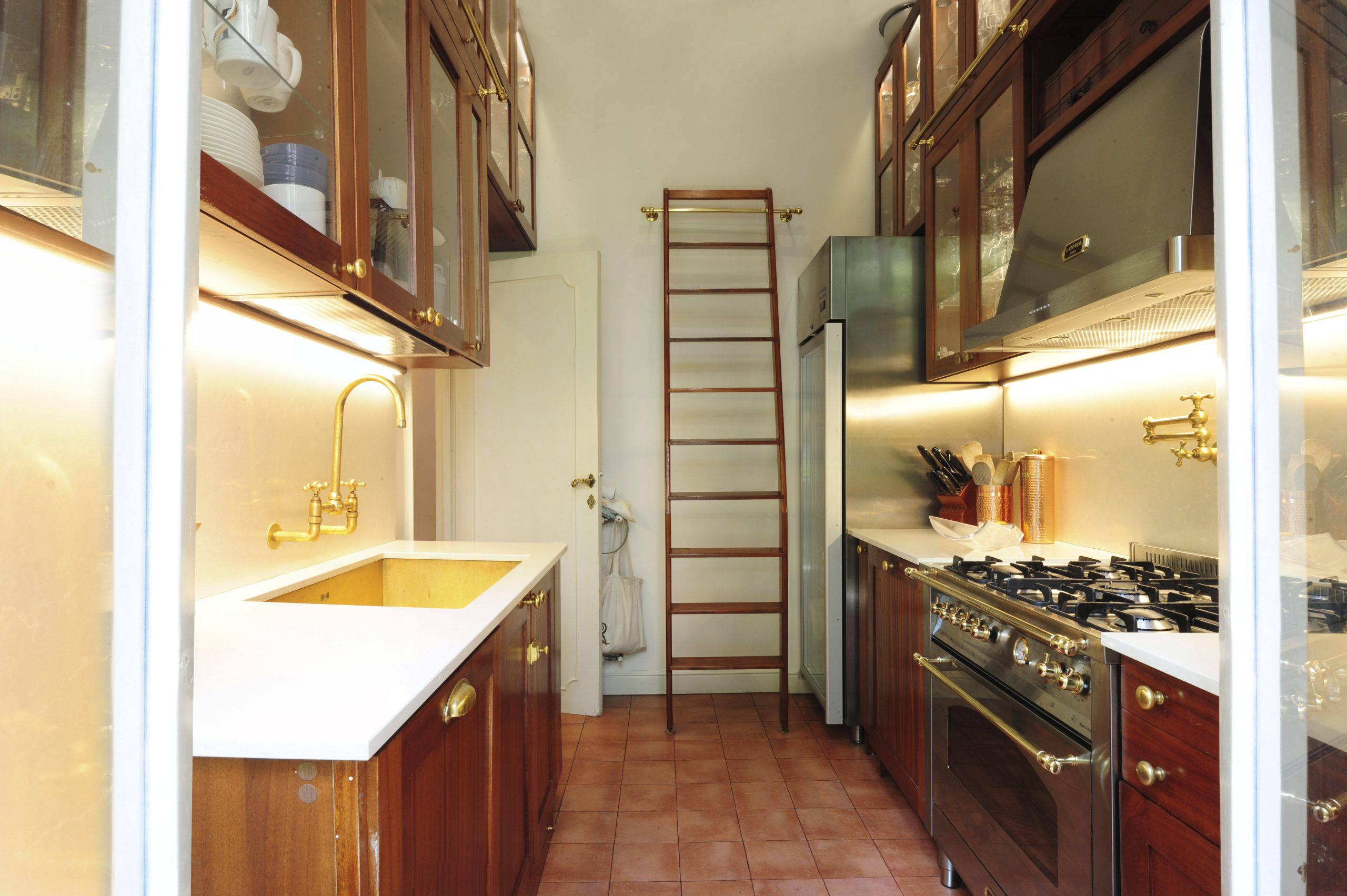
Tutte le stanze sono mirabilmente arredate con uno stile unico in perfetta armonia con il palazzo. La camera padronale ha un suo bagno privato e la cucina vanta uno splendido piano cottura professionale a 6 fuochi e un grande frigorifero con sportello a vista. Tutte le stanze sono finestrate e, fatta eccezione per il salone principale e la seconda camera da letto matrimoniale, hanno un accesso diretto sul balcone che corre lungo il perimetro interno dell’appartamento e si affaccia sullo splendido giardino segreto interno del palazzo (probabilmente ideato da Perin del Vaga) immerso nel verde e nel silenzio

THE FRESCOES

THE LIFE OF

SAINT IGNATIUS OF LOYOLA

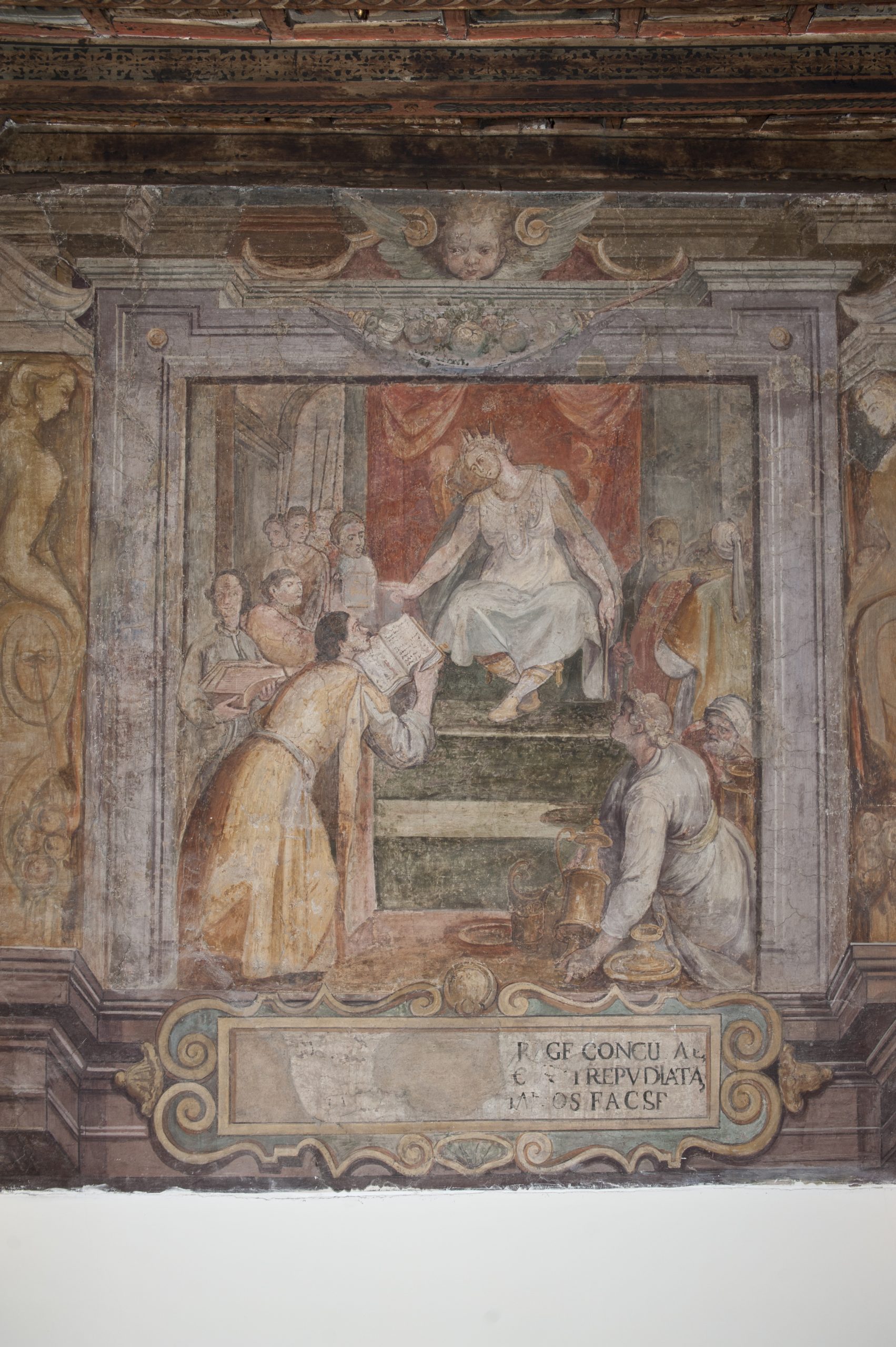
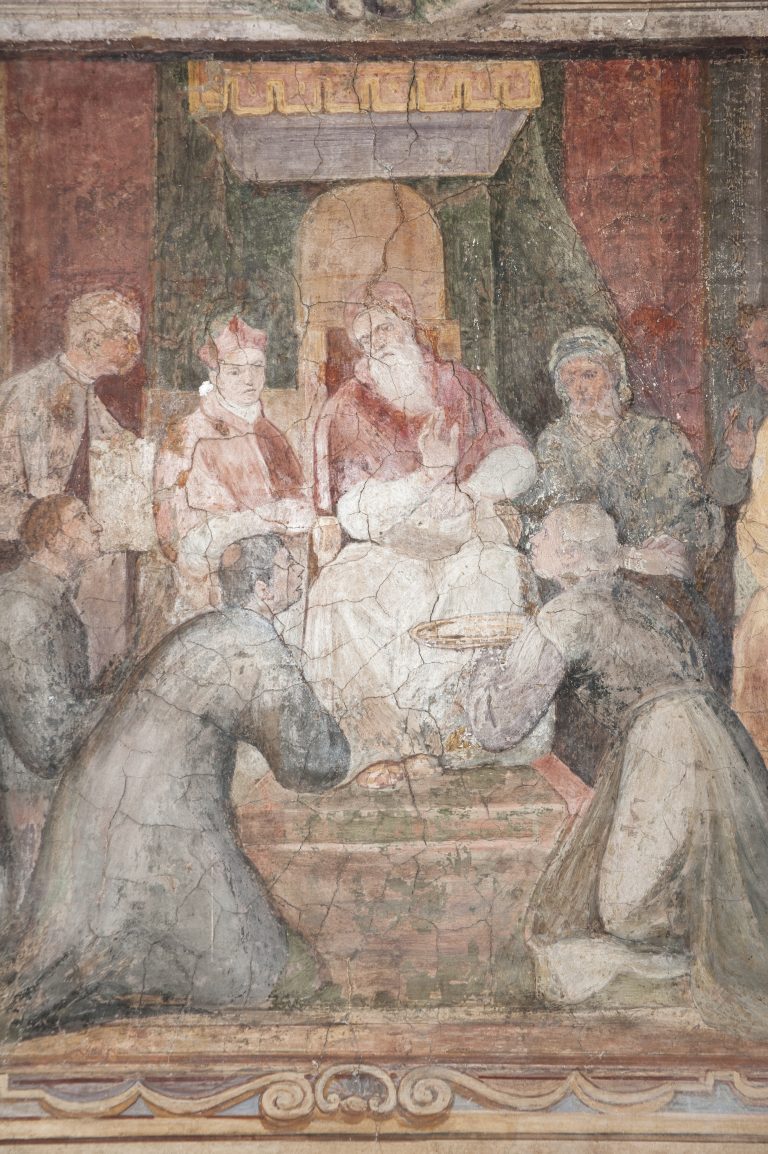
The Orfini family should be unconditionally recognized by future owners of the palace, from the Corsetti to the Alvarez de Castro, for the exquisite improvements they made: the creation of one of the two cycles of frescoes, dedicated to the life of Saint Ignatius of Loyola; the other, consisting of four large allegories, predates the Orfini. The noble Foligno family resided in the palace from 1566 until June 12, 1824, and they have two indisputable merits while also enduring the price of a slow decline in the 19th century. The first merit is preserving the Podocataro collection intact, acquired with the palace. The second is commissioning an important artist for one of the two aforementioned cycles of frescoes, whose attribution remains uncertain. For the Orfini’s Loyola cycle, it is quietly suggested that Tommaso Laureti, known as Tommaso Sicolo, might be the artist. The other four frescoes, representing different allegories, perhaps commissioned by Livio Podocataro, deserve further study.

.

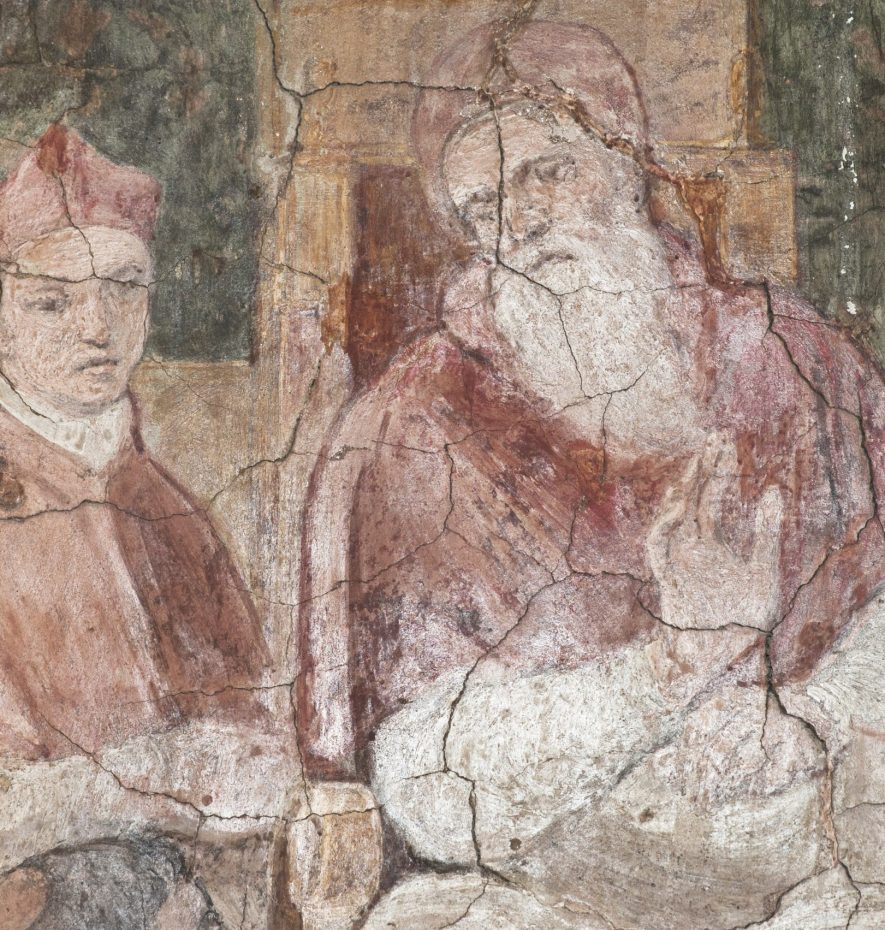
POPE PAUL III RECEIVES IGNATIUS OF LOYOLA

In questo riquadro della serie di affreschi Ignazio di Loyola presenta a Papa Paolo III la carta della compagnia di Gesù
THE RESTORATION

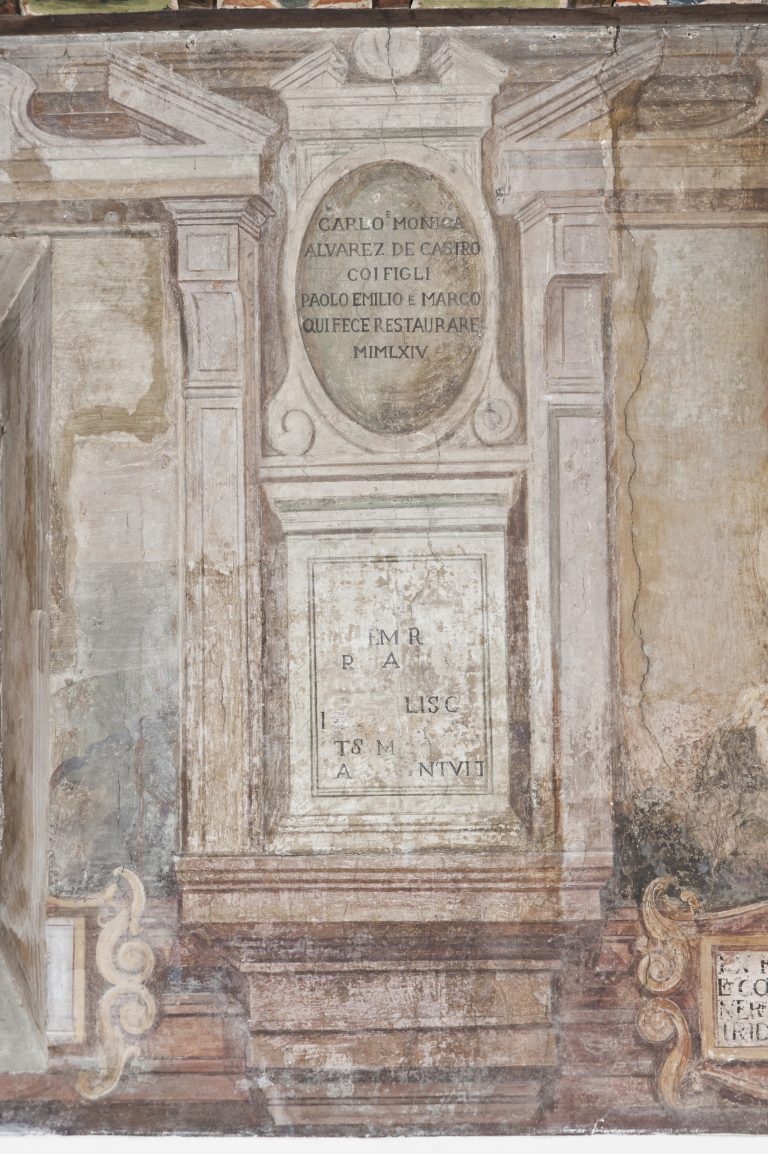
Agli Alvarez de Castro vanno riconosciuti interventi determinanti per la manutenzione e l’arricchimento del palazzo stesso.

en_GBEnglish
